What Does It Mean When a Business Is Dissolved? Why Closed Contractors Still Show Up Online
A dissolved business is closed on the state's books, even if its website still looks open. Learn Nevada status terms and what homeowners can do when a contractor is gone.
You check out a contractor before signing, and the state record says "dissolved." Yet the website is up and the listings still show a phone number. So what does it mean when a business is dissolved? In short, the company is closed for business. It lives on only to wind things up, not to carry on the business it was formed for.
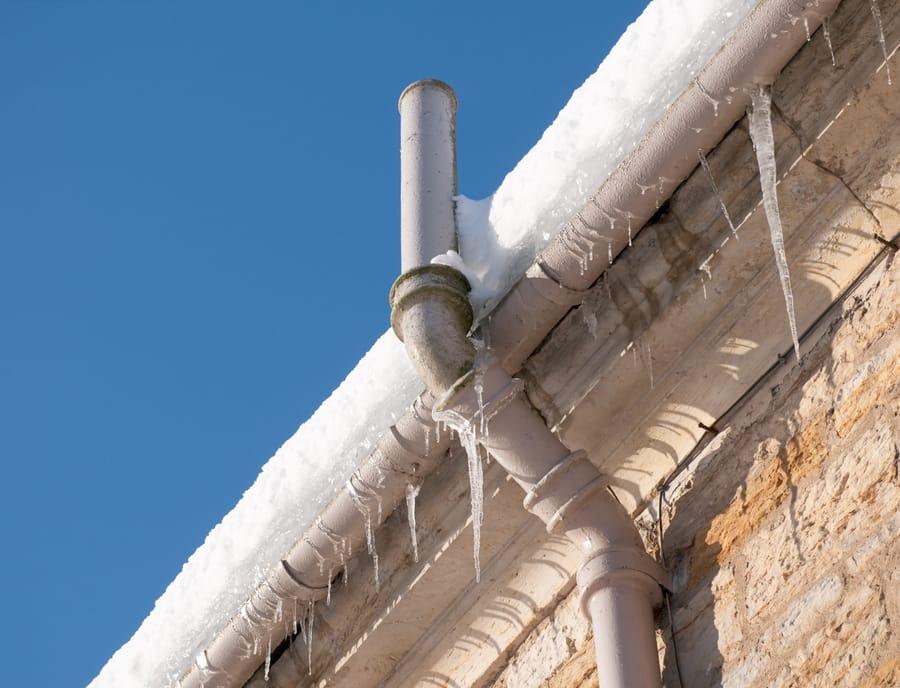
An empty storefront makes it plain that a business has left. Its website and listings may not.
A Dissolved Business Has Stopped Doing Business
A dissolved business is closed on the state's books. The owner and the trucks may still be around, but the company that signed your contract can no longer do business. What does a dissolved business mean in plain terms? The name on your paperwork now stands for a company that can't take on new work.
Often the closing is voluntary. In Nevada, a corporation's directors approve it (and its stockholders, if stock was issued), then the company files its articles of dissolution (NRS 78.580). A court can also order a corporation dissolved in some cases (NRS 78.650).
It isn't bankruptcy, either. Bankruptcy is a federal court process for debts, and Chapter 11 is usually used by businesses that want to keep operating while they repay creditors. A dissolved company is closing out. Can it still exist? Only in a narrow sense, covered further down.
Dissolved, Revoked, in Default: What Nevada Records Show
Look up a company on the Nevada Secretary of State's free business search, and the status may not say "dissolved" at all. Nevada uses several words for different stages, and other states have labels of their own.
"In default" comes first. Under NRS 78.170, a corporation that must make its required filing and pay the fee, and "refuses or neglects to do so within the time provided," is deemed in default, and a $75 penalty is added.
"Revoked" comes next. If the filing is still missing roughly a year after the deadline, the charter is revoked and the right to transact business is forfeited (NRS 78.175). A revoked company can be reinstated by catching up on filings and fees within five years (NRS 78.180), and even later it can apply to revive its charter (NRS 78.730).
For limited-liability companies, a Nevada regulation lists statuses meaning the company no longer has the right to transact business in the state, among them revoked, permanently revoked, dissolved, cancelled, terminated, administrative hold and withdrawn (NAC 86.340).
Why a Closed Contractor Can Still Look Open Online
Dissolution is a state filing. The review profile, the map pin and the firm's website are separate pages run by separate people, and each stays as it was until someone changes it.
Home buyers know the pattern from listing sites, where a sold house can still show as available. Contractor listings go stale the same way: the website stays up while the hosting is paid, the phone may ring someone else or nobody, and years of reviews show the company was busy once, not that it still exists.
What separates a useful listing from a stale one is a date. "Active" means little until you know when someone last compared it with the state record. So put two questions to any listing: where did this come from, and as of when? To see listings that answer both, open USD.org at https://usd.org: it's a local business directory whose pages say which details came from a state record and which from the firm's website, with dates.
A Dissolved Company Can Wind Up, Not Keep Working
Can a business still run if it's dissolved? Not in the usual sense. Under NRS 78.585, a dissolved Nevada corporation continues so it can bring and defend lawsuits, collect what it is owed, pay its obligations, sell its property and pass what's left to its stockholders, "but not for the purpose of continuing the business for which it was established."
Stockholders come last, after the company's liabilities are paid or provided for. And dissolution doesn't erase claims: the same section leaves claims against the company, its directors, officers or stockholders intact if they are brought within the time limits it sets. If you believe a closed company still owes you work or money, ask a Nevada attorney how those limits apply.
In practice, a dissolved company shouldn't be signing new contracts under its name. If one bids on your job, ask who you'd really be hiring.

Winding up means collecting, paying and selling off. Taking on new jobs is no longer part of it.
Why Companies End Up Dissolved
Why would a company get dissolved? The plainest reason is that the owners decide to stop. Someone retires, partners split up, or the work dries up, and closing properly means a dissolution filing.
Paperwork is the second path: a company that stops filing and paying can lose its standing without anyone deciding to close. In Nevada that runs through default and revocation, with the same result for a customer: no right to do business.
A merger is the third. Under Nevada law, once a merger takes effect, every company in the deal except the survivor stops existing separately, and the survivor has all of their liabilities (NRS 92A.250). If your contractor's name disappeared in a merger, your questions now go to the company that absorbed it.
For you, the timing matters more than the reason. Did the company lose its right to do business before or after you signed?
What Homeowners Can Do When a Contractor Is Gone
What happens when the business you hired is dissolved? Claims against it don't simply vanish the day it closes, but who you deal with changes. Start with what you can do yourself:
Gather the contract, every change order and proof of each payment: checks, receipts, bank records.
Check the license with the Nevada State Contractors Board. Its license search shows whether a contractor is licensed and in good standing, and a separate search lists public disciplinary actions.
Look up the company itself in the Secretary of State's records as well. The license and the company are tracked separately.
Find any product warranties. A water heater, windows or roofing materials may carry the maker's own warranty, separate from whatever the contractor promised.
If a licensed contractor left you with a loss, ask the Board about the Residential Recovery Fund, which it says is designed "to assist homeowners who have experienced losses due to properly licensed contractors." It is for owners living in a single-family home, condo, townhouse or duplex unit who hired a licensed residential contractor, not an unlicensed one, and the law caps a claim at $40,000. The Board adds that the fund doesn't guarantee recovery of the whole loss, that claimants must first exhaust other means of recovery, such as surety bonds, and that filing deadlines apply, so check its current rules before counting on it.
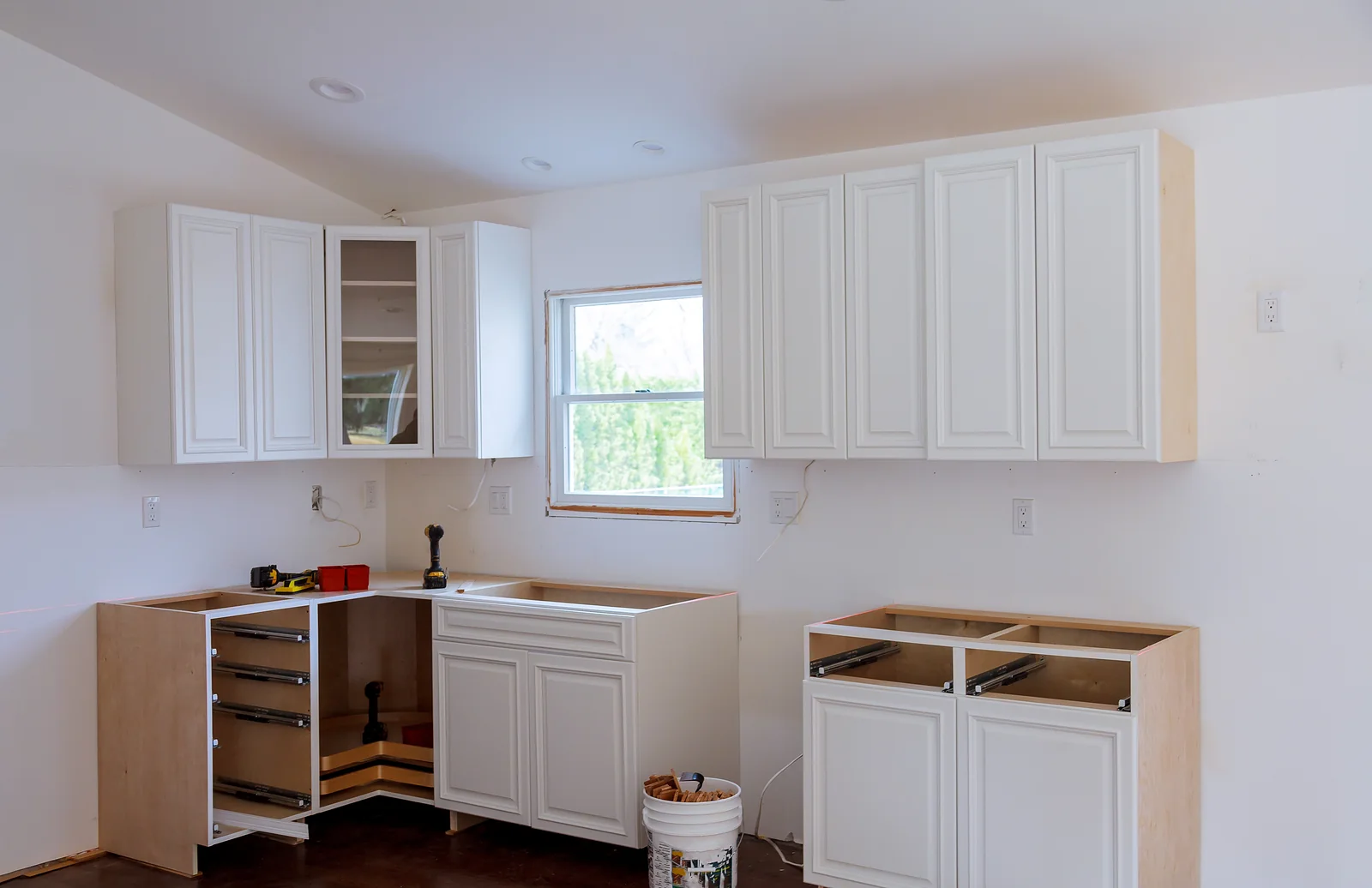
When a job stops halfway, the contract, change orders and payment records are the first things to pull together.
Final Thoughts
A dissolved business is a closed company, even when its website and listings haven't caught up. In Nevada, "revoked" ends the right to do business too, and "in default" is the warning that comes before it.
Treat a contractor listing like a home listing: check the source and the date. A listing without a date shows what was true once. A state record shows where things stand, and a date beside any fact shows how fresh it is. Before you sign, look at both.
Planning work on your Nevada home? See our guides to buying a home with a pool and choosing between HOA and no-HOA neighborhoods, or browse fixer upper homes in Mesquite.
Frequently asked questions
Can a dissolved business still operate in Nevada?
What is the difference between dissolved and revoked in Nevada?
Is a dissolved business the same as bankruptcy?
How do I check if a Nevada contractor's business is still active?
What can I do if my contractor's company was dissolved mid-project?
Homes for sale in Mesquite, Nevada
Thinking about a move to Mesquite?
Browse every active listing — Sun City 55+, golf-course homes, new construction and more — updated multiple times a day. Or talk to a local agent who knows the neighborhoods.
Keep reading
More from the blog

I-15 Through the Virgin River Gorge: What Mesquite Residents Should Know About the Drive to St. George

Redfin Counts 1.51 Million Home Sellers and 929,000 Buyers: How to Read the Record Gap

Zillow's 2027 Outlook: Slightly Lower Rates, Flat Sales, Rising Rents and a Fight Over Private Listings