How to Prevent Frozen Pipes in Rental Properties During the Holidays
Keep rental pipes from freezing over the holidays: a heating minimum for empty units, travel reminders for tenants, and an emergency plan.
Landlords have a lot to handle around the holidays, including maintenance requests, tenant correspondence, and the occasional last-minute emergency. But one issue that often catches rental property owners off guard is frozen pipes, especially when tenants travel for the holidays and leave units unoccupied for days at a time.
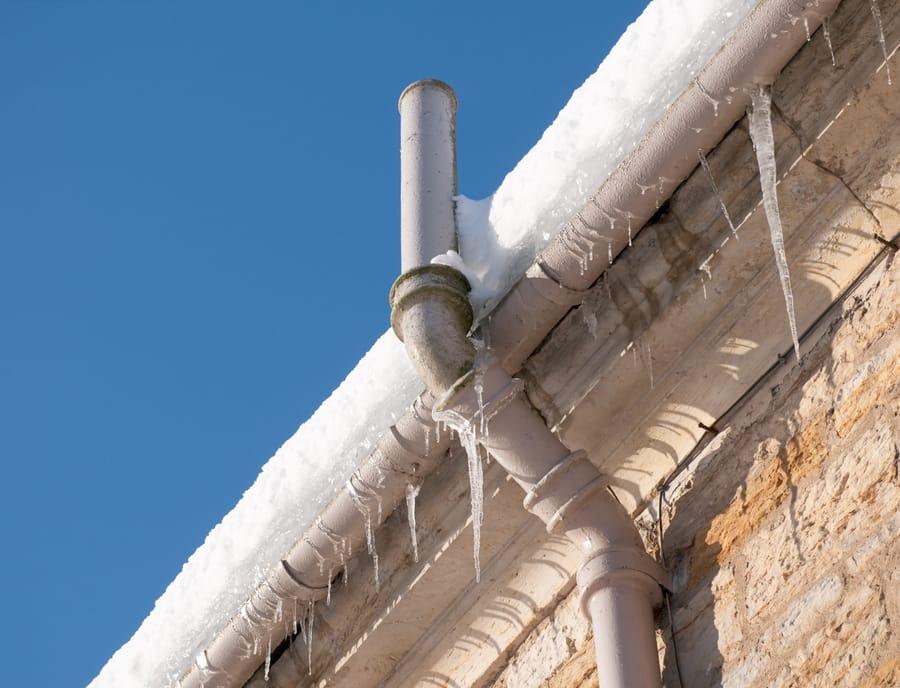
When pipes freeze, the damage can be expensive. Burst pipes can lead to flooding, structural damage, and repair bills that easily run into the thousands. And in most cases, the responsibility falls on you to fix it, fast. The good news is that frozen pipes are largely preventable with the right approach. Whether you manage one unit or twenty, taking a few proactive steps before temperatures drop can save you from a lot of problems down the line. Here's what you need to know.
Heating Thresholds for Low-Occupancy Units
Vacant or low-occupancy units are some of the most vulnerable spots in your rental portfolio during winter. Without tenants regularly running the heat, these spaces can quickly drop to dangerous temperatures, and that's when pipes start to freeze.
A property manager in Bucks County, PA recommends keeping low-occupancy units heated to at least 55°F (13°C) to prevent pipes from freezing. This temperature is warm enough to prevent pipes from freezing without running your heating costs through the roof. That said, if your property is in an area that regularly experiences extreme cold snaps, bumping that threshold up to 60°F (15°C) provides a safer buffer.
One practical step is to include a heating threshold clause in your lease agreement. This way, even partially occupied units, where a tenant may be away for the holidays, have a clear standard to follow. You can also install a smart thermostat in vacant units, which lets you monitor and adjust the temperature remotely without making an extra trip to the property. The same idea works for owners who leave a lock-and-leave home empty for part of the year. A little heat goes a long way in protecting your pipes, your property, and your peace of mind this winter. Knowing how to winterize a rental property before tenants travel for the holidays can prevent a burst pipe from turning into a major claim.
Tenant Travel Reminders and Shut-Off Instructions

The holiday season means some of your tenants will be traveling, sometimes for weeks at a time. Before they head out, a simple reminder from you can make all the difference in preventing a frozen pipe situation while the unit sits empty.
Send a quick reminder a week or two before the holidays asking tenants to keep the heat on while they're away. Reinforce that 55°F is the minimum and explain why it matters. Most tenants genuinely don't realize how quickly an unheated unit can cause problems in the middle of winter.
It's also worth including basic shut-off instructions in that notice. If a tenant knows where the main water shut-off valve is and how to use it before leaving, you've already cut your risk significantly. Consider attaching a simple one-page guide with the valve location, a property contact number, and steps to take if they suspect a pipe has frozen. A proactive notice to your tenant saves everyone a stressful phone call later.
Response Plans During Emergencies
Even with the best preventive measures in place, emergencies can still happen. A pipe freezes, a tenant panics, and suddenly you're scrambling to figure out next steps in the middle of the night. Having a clear response plan in place before any of that unfolds makes a stressful situation much more manageable for both you and your tenants.
Start by making sure every tenant knows exactly who to contact when something goes wrong. Whether that's you directly, a property manager, or an after-hours maintenance line, that information should be easy to find, not buried in a lease agreement they signed a year ago.
On your end, have a trusted plumber's number saved and ready before the holiday season kicks in. Emergency plumbing calls fill up fast during cold snaps, so having an established relationship with a contractor puts you ahead of the queue. If you're buying another rental, a plumbing checklist for buyers helps you spot weak pipes before winter does. It's also a good idea to document everything as the situation unfolds, including photos, timestamps, and communications with tenants. If a water damage insurance claim becomes necessary, that paper trail will save you a significant amount of time and frustration down the line.
Final Thoughts
Frozen pipes might feel like an unavoidable winter hazard, but most of the time, they're not. A heating threshold in your lease, a reminder email to tenants before the holidays, and a plumber's number saved in your phone: these are small steps that carry a lot of weight when temperatures drop.
You don't need a complicated system to protect your rental properties this winter. You just need a plan in place before you need it. Take care of the basics now, and you'll be far less likely to spend your holidays fielding emergency calls and coordinating water damage repairs. Repair costs also cut into returns, so they belong in your math when you calculate whether a rental is profitable.
Homes for sale in Mesquite, Nevada
Thinking about a move to Mesquite?
Browse every active listing — Sun City 55+, golf-course homes, new construction and more — updated multiple times a day. Or talk to a local agent who knows the neighborhoods.
Keep reading
More from the blog
Home Buying and Selling Tips in Nevada
Mesquite Council Approves 70-Unit Enclave Apartments and a Traffic Signal Agreement for Mesquite Boulevard

2027 IRS Tax Numbers for Homeowners, Home Sellers and Retirees: What Rises and What Stays Frozen