How to Create a Backyard You'll Actually Love Spending Time In
A backyard can look great in photos and still sit empty most of the year. Creating one you'll actually use starts with understanding how you want to spend your time outside — and making practical choices that fit your life and climate.
A backyard can look great in photos and still sit empty most of the year.
Maybe the chairs are uncomfortable. Maybe there's no shade when the afternoon sun hits. Or perhaps the space feels unfinished, so you keep telling yourself you'll deal with it later.
The truth is, creating a backyard you love doesn't require a huge budget or a dramatic renovation. It starts with paying attention to how you actually want to spend your time outside.
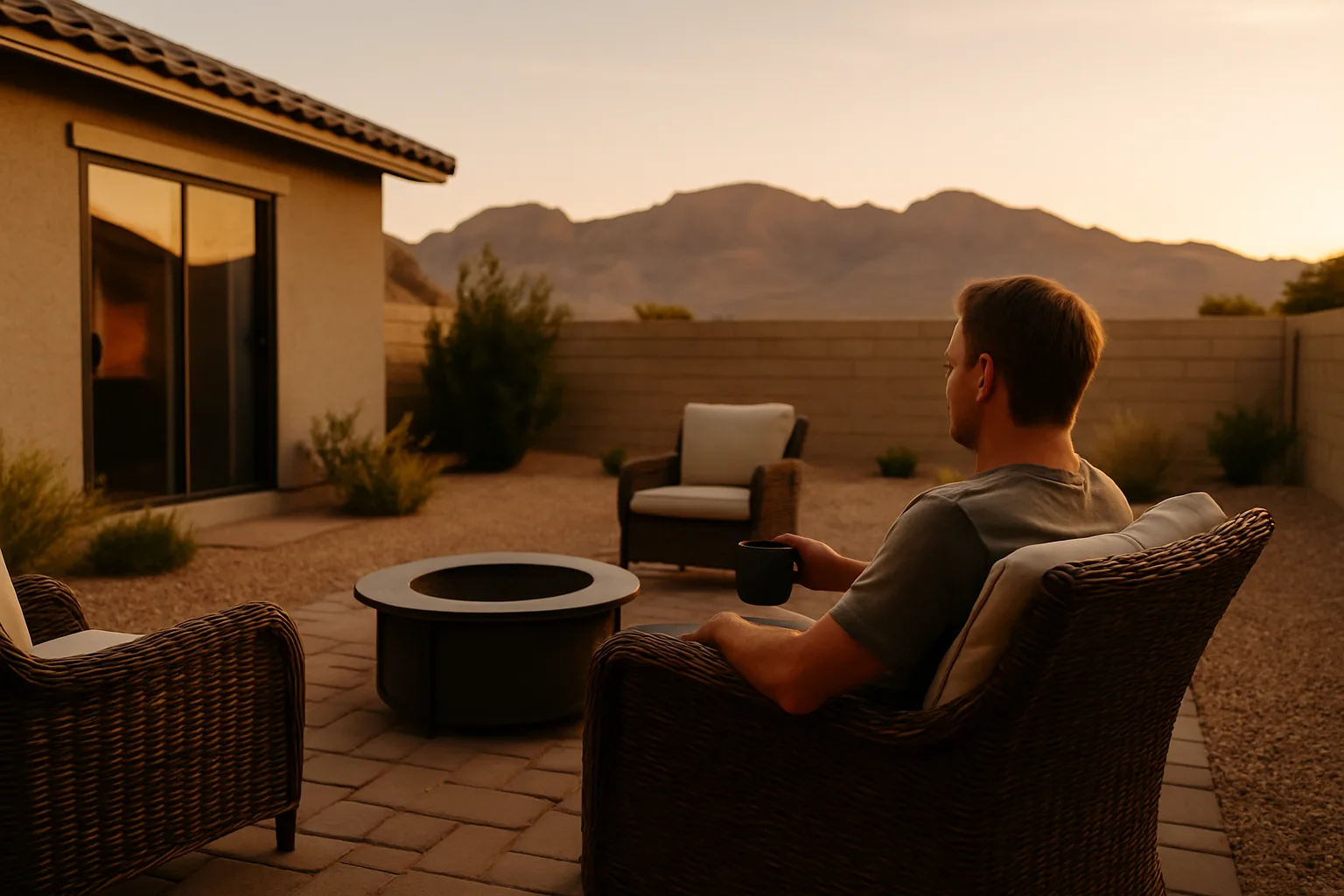
Do you picture slow mornings with a cup of coffee? Weekend dinners with friends? A quiet spot where you can read while the kids play nearby?
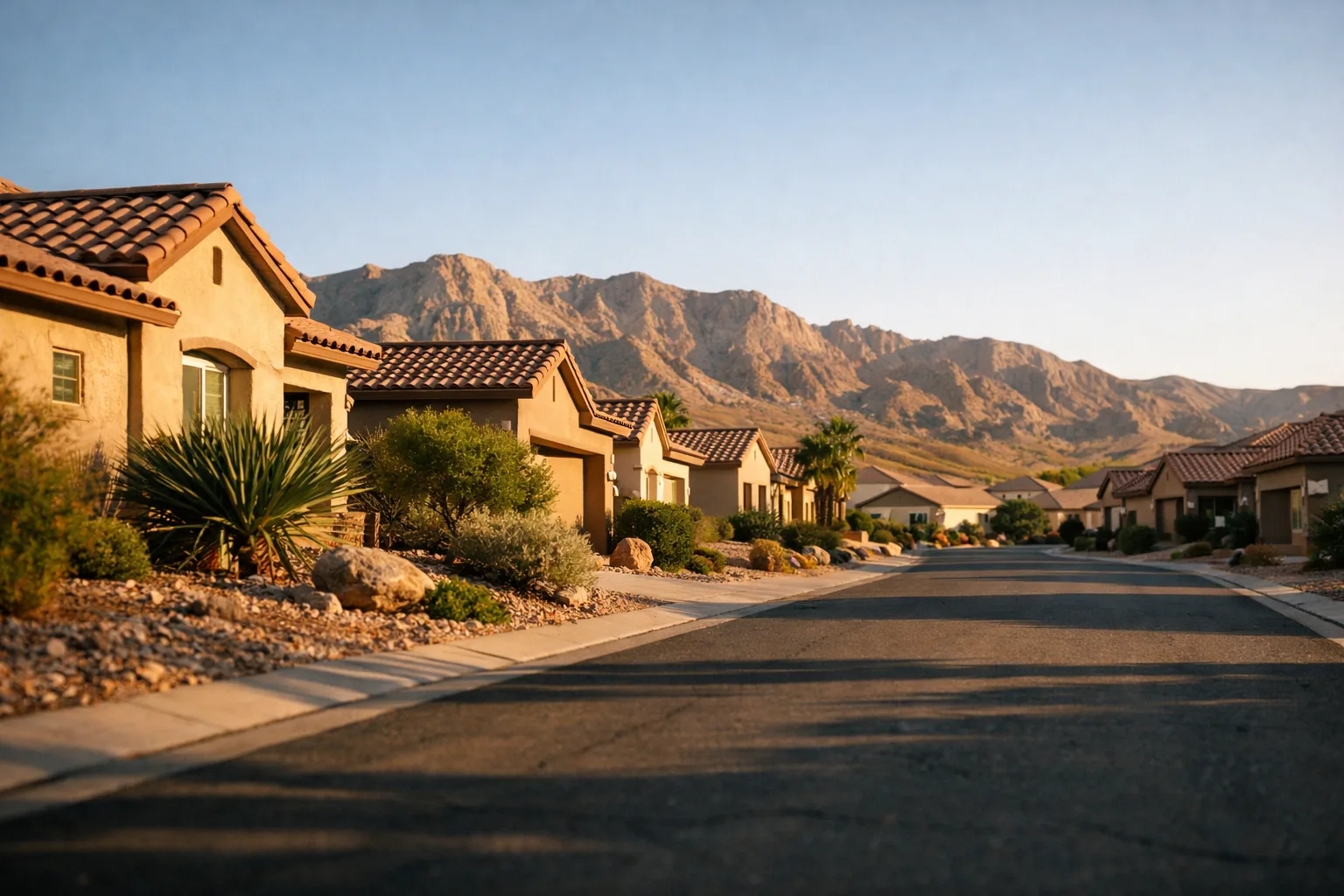
Once you know what you want from the space, the rest becomes much easier. You can stop chasing every outdoor trend and start making choices that fit your life. If you're moving to Mesquite, Nevada, the desert climate makes thoughtful backyard planning especially worthwhile — shade, heat-tolerant surfaces, and low-water plants all pay dividends here.
Start With the Way You Really Live
Before buying furniture, planting trees, or choosing paint colors, take a step back.
What do you want to do in your backyard?
It sounds obvious, but many people skip this part. They start collecting ideas from social media and end up with a space that looks stylish but doesn't work for them.
If you rarely host large groups, you probably don't need a dining table for twelve. If you love gardening, a large paved area may feel limiting. And if your favorite way to relax is stretching out with a book, comfortable seating should matter more than an elaborate outdoor kitchen.
Try choosing one or two main purposes for the space. You might want a place to eat outdoors and a smaller area for relaxing. Or perhaps your priority is creating room for children and pets to play safely.
Keeping the plan focused helps you spend money where it will make the biggest difference. It also prevents the backyard from becoming cluttered with features that seemed exciting at first but rarely get used.
Make Sitting Outside Feel Comfortable
A backyard becomes more inviting when there's an obvious place to settle in.
Start with seating that feels genuinely comfortable. Not just furniture that looks good through a window, but chairs and cushions you'll happily use for more than ten minutes.
Think about how people naturally gather. Seats arranged in a loose circle make conversation easier, while a long bench can work well along a wall or fence. In a smaller yard, built-in seating can save space and provide hidden storage underneath.
You don't need a matching furniture set. In fact, mixing a few pieces often makes the space feel more relaxed and personal. A sturdy outdoor sofa, a couple of movable chairs, and a small table may be all you need.
Pay attention to placement too. A chair facing a blank fence probably won't feel very appealing. Turn seating toward a garden, a fire pit, or the best view of the yard.
And leave enough room to move around. Nobody wants to squeeze past a table or trip over a planter every time they stand up.
Choose Surfaces That Work for Everyday Life
The surface under your feet has a bigger impact than you might expect. It affects how the space looks, how comfortable it feels, and how much time you'll spend maintaining it.
Before choosing a material, think about your climate and daily routine. Does the area receive strong sunlight? Is it exposed to frequent rain? Will children run across it with bare feet? Will you be carrying food and drinks between the house and the yard?
Stone, concrete, pavers, wood, and other materials all have different strengths. Homeowners considering a raised outdoor area may also want to compare vinyl decking with other common materials before deciding what best suits their home and maintenance preferences.
The best choice isn't always the most expensive one. It's the one that works for the way you live.
A beautiful surface that becomes too hot to walk on, stains easily, or needs constant care can quickly become frustrating. Look beyond appearance and ask how the material will feel after several seasons of regular use.
Add Shade Where It Matters Most
Even the most attractive backyard can feel unusable when there's nowhere to escape the sun.
Watch how sunlight moves through your yard during the day. The area that feels pleasant at nine in the morning may be baking by three in the afternoon. Spending a little time observing the space can save you from placing furniture in the wrong spot.
There are plenty of ways to add shade. A large umbrella is flexible and easy to move. A pergola creates structure and can support climbing plants or outdoor curtains. Shade sails are useful for covering wider spaces, while trees provide natural cooling and soften the overall look of the yard.
You can also combine permanent and movable options. For example, a pergola might cover the main seating area, while an umbrella provides extra shade near a table or lounge chair.
Shade doesn't only improve comfort. It can also protect furniture, cushions, and outdoor surfaces from constant sun exposure.
Sometimes one well-placed umbrella changes everything.
Create Privacy Without Closing Yourself In
It's hard to relax when you feel like every neighbor can see directly into your yard.
That doesn't mean you need to build a tall wall around the entire property. A few thoughtful additions can create privacy while keeping the space open and welcoming.
Start by identifying the most exposed areas. Maybe there's a clear view from a neighboring window or a busy sidewalk. Focus on those sightlines instead of blocking every side.
Tall shrubs, small trees, trellises, and decorative screens can all help. Outdoor curtains work well around covered seating areas, while climbing plants can turn a basic fence into a softer, greener backdrop.
Layering different elements usually looks more natural than relying on one solid barrier. A low fence combined with shrubs and a small tree can provide privacy without making the yard feel boxed in.
It may take time for plants to grow, so mix faster solutions with longer-term ones. A screen can provide immediate coverage while young shrubs fill out over the next few seasons.
Use Lighting to Keep the Space Going After Sunset
Good lighting lets you enjoy the backyard long after the sun goes down.
The key is using several softer light sources instead of one harsh floodlight. Bright security lighting may be practical, but it doesn't create a relaxing atmosphere.
Begin with safety. Make sure steps, pathways, entrances, and cooking areas are easy to see. Low-voltage lights or small solar fixtures can guide people through the space without feeling overpowering.
Then add warmer lighting around the places where people gather. String lights can make a patio feel cozy, while lanterns and table lamps add a gentle glow. Lights placed near plants or along a fence can also create depth and make the yard feel larger at night.
Try to avoid lighting every corner. A little darkness can make the brighter areas feel more intimate.
The goal isn't to make your backyard look like daytime. It's to create enough light for people to move around comfortably while still enjoying the evening atmosphere.
Bring in Plants You Can Realistically Care For
Plants add color, texture, movement, and life to a backyard. They can also become a source of stress if you choose varieties that need more care than you're willing to provide.
Be honest with yourself.
If you enjoy gardening, you may love spending time pruning, watering, and changing seasonal displays. If you don't, choose hardy plants that can handle your local conditions with minimal attention.
Start with sunlight. Some plants need full sun, while others struggle without shade. Then consider your soil, rainfall, and winter temperatures. Local garden centers can usually recommend plants that perform well in your area.
A mix of evergreen plants and seasonal flowers gives you structure throughout the year with occasional bursts of color. Container gardens are another useful option because they're easy to rearrange and replace.
You don't have to fill every empty corner. A few healthy, well-placed plants often look better than a crowded garden that's difficult to maintain.
And remember, plants grow. Leave them enough room to reach their mature size instead of placing them too close together for an instantly full look.
Add Details That Feel Like You
This is where the backyard starts to feel less like a project and more like part of your home. Thoughtful design choices that make a house feel like home apply just as much outdoors as they do inside.
Outdoor rugs, cushions, planters, and artwork can bring personality into the space. Choose colors and textures you already enjoy indoors so the transition from the house feels natural.
Practical details matter too. A small side table gives you somewhere to set a drink. A storage box keeps cushions dry and reduces clutter. Hooks near the door can hold towels, gardening tools, or outdoor blankets.
Think about the little things that make you comfortable. Maybe you want a basket filled with blankets for cool evenings. Perhaps you need a tray for carrying snacks outside or a fan near the covered seating area.
These additions don't need to be expensive. Often, the smallest changes make the space feel the most thoughtful.
A backyard should reflect your life, not someone else's magazine spread.
Keep Maintenance From Taking Over
A backyard is supposed to give you a place to relax. If caring for it feels like a second job, you may avoid using it altogether.
Choose materials and furnishings based on how much maintenance you can realistically handle. Weather-resistant furniture, washable cushion covers, and durable planters can save hours of work over time.
Storage also makes a big difference. When cushions, toys, tools, and gardening supplies have a designated place, cleanup becomes faster and the yard stays more inviting.
Try creating a simple maintenance routine. Sweep hard surfaces once a week. Wipe down furniture as needed. Check plants while you're already outside enjoying the space.
Small, regular tasks are usually easier than letting everything build up into one exhausting weekend project.
You may also decide that certain features aren't worth the effort. A large flower bed can be beautiful, but if you dislike weeding, a smaller garden with mulch and low-maintenance plants may be a better choice.
There's no prize for creating the most complicated backyard.
Improve the Space One Step at a Time
It's easy to feel pressure to finish everything at once, especially when you see complete backyard makeovers online.
But real homes don't have to work that way.
Start with the area you're most likely to use. That might mean setting up a comfortable table near the kitchen door or creating a shaded corner with two chairs and a few plants.
Use the space for a while. Notice what works and what doesn't.
You may discover that you need more lighting before you need more furniture. Or that the seating area would feel better in a different part of the yard. Making improvements gradually gives you time to learn from the space instead of committing to a full design before you understand it.
It can also make the project more affordable. You can spread purchases across several months and wait for sales rather than rushing to buy everything at once.
A backyard often becomes better over time because it grows around the people using it.
Create a Backyard That Feels Easy to Enjoy
The best backyard isn't necessarily the biggest, most expensive, or most impressive one.
It's the one you use.
It's a place where sitting down feels natural, where there's enough shade on a warm afternoon, and where you don't spend every weekend cleaning, repairing, or rearranging things.
Focus on comfort first. Choose materials that fit your lifestyle. Add privacy, lighting, plants, and personal details as you go.
You don't need to transform the entire space overnight. One comfortable chair, one shaded corner, or one warm strand of lights can be enough to change how the backyard feels.
Start with the part that matters most to you.
Then step outside and enjoy it.
Frequently asked questions
What backyard features matter most for homes in Mesquite, Nevada?
How do I add privacy to a backyard without building a tall wall?
What low-maintenance plants work well in a Mesquite, NV backyard?
How much does it typically cost to improve a backyard in Mesquite, NV?
Does a well-designed backyard add value to a Mesquite home?
What outdoor lighting works best for a desert backyard in Nevada?
Homes for sale in Mesquite, Nevada
Thinking about a move to Mesquite?
Browse every active listing — Sun City 55+, golf-course homes, new construction and more — updated multiple times a day. Or talk to a local agent who knows the neighborhoods.
Keep reading
More from the blog
Apartment Door Numbers for Phased Residential Projects
Home Buying Affordability: Financial Planning for Mesquite
Moving to Mesquite, Nevada: 5 Trade-Offs to Evaluate Before Buying