The Design Choices That Make a New House Feel Like Home
Moving into a new house is exciting, but making it feel truly like home takes thoughtful design decisions. From natural materials and layered lighting to personal touches that evolve over time, these principles help Mesquite homeowners create spaces that are comfortable, welcoming, and built to last.
Moving into a new house is exciting, but it can also feel surprisingly unfamiliar. Even after the furniture arrives and the boxes are unpacked, many homeowners still feel something is missing.
A home doesn't develop character overnight. It evolves through thoughtful decisions about layout, lighting, materials, colour, and the everyday objects that support daily life. Rather than following trends, the most inviting homes tend to reflect the people who live in them.
Whether you're settling into your first property or upgrading to your forever home in Mesquite, Nevada, the design choices you make during those first few months can have a lasting impact on how comfortable and welcoming your home becomes. If you're still searching for the right place, browse new construction homes in Mesquite, NV to find a blank canvas ready for your personal touch.
Start With Materials That Age Gracefully
Interior designers often describe natural materials as the foundation of timeless interiors. Wood, stone, linen, wool, and cotton tend to develop character over time rather than looking dated after a few years.
Their appeal isn't simply aesthetic. Natural materials introduce texture, soften hard architectural lines, and create subtle visual variation that manufactured finishes often struggle to replicate.
This is one reason many homeowners invest in quality flooring, timber furniture, and natural textiles before adding decorative accessories. These foundational elements establish warmth that remains relevant regardless of changing design trends.
When choosing soft furnishings, many homeowners also explore collections from double, which showcase contemporary wool rugs designed to bring texture and natural materials into modern interiors. Rather than dominating a room, well-chosen rugs help anchor furniture layouts while adding visual warmth underfoot.
Layer Lighting Instead of Relying on One Source
One of the most common mistakes in new homes is depending entirely on overhead lighting.
Lighting designer Sally Storey, author of Inspired by Light, has long supported layered lighting. She combines ambient, task, and accent lighting to create comfortable, flexible spaces.
Instead of relying on a single ceiling fixture, consider combining:
Floor lamps beside seating
Table lamps on consoles and side tables
Wall sconces in hallways or bedrooms
Under-cabinet lighting in kitchens
Dimmer switches where possible
This layered approach allows rooms to transition from bright and functional during the day to calm and inviting in the evening.
Research published by the Illuminating Engineering Society (IES) also highlights how lighting influences both visual comfort and the way people perceive interior spaces, making it one of the most important yet overlooked design decisions.
Create Rooms Around How You Actually Live
Beautiful homes aren't successful just because they follow a particular style. They work because they support the routines of the people who live there.
Interior designer Nate Berkus has frequently observed: "Your home should tell the story of who you are." That philosophy encourages homeowners to think beyond aesthetics.
Ask practical questions such as:
Where does everyone naturally gather?
Do you entertain often?
Is there a quiet space for reading or working?
Where do shoes, bags, and coats tend to accumulate?
The answers should shape furniture placement more than any design trend.
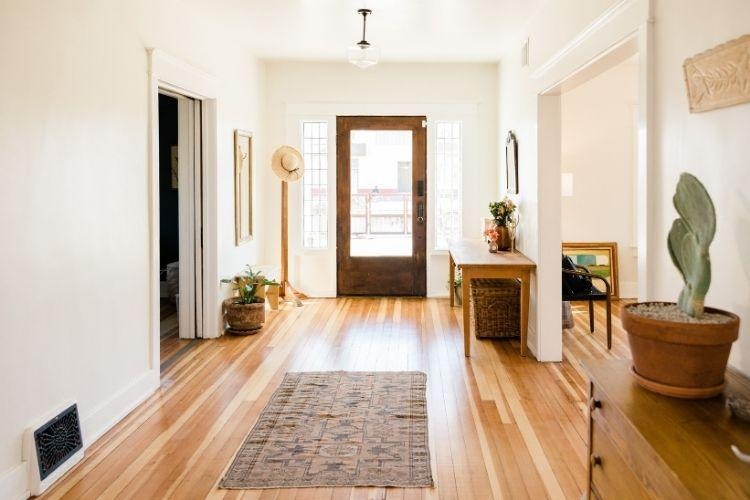
A living room arranged for conversation often feels more welcoming than one designed solely around a television. Likewise, an entryway with practical storage usually creates a calmer first impression than an empty hallway.
Texture Creates Warmth More Than Colour
Many people assume colour is responsible for making interiors feel cosy. In reality, texture often plays the larger role.
A neutral room filled with smooth surfaces can feel cold despite warm paint colours. By contrast, combining different textures creates depth without visual clutter.
Consider mixing materials such as:
Wool
Linen
Timber
Leather
Ceramic
Natural stone
Woven baskets
These subtle contrasts encourage the eye to move naturally around the room while making spaces feel lived in rather than staged.
The design principle aligns with biophilic design research. This research suggests that natural materials and organic textures can help people feel more connected to indoor spaces.
Leave Room for Personal History
New houses sometimes feel impersonal because everything arrives at once.
Instead of decorating every room immediately, allow your home to develop gradually. Family photos, travel souvenirs, inherited furniture, local artwork, and books collected over the years often become meaningful design features.
Architect Sarah Susanka, author of The Not So Big House, argues that good homes support daily life — they do not just display possessions. The result is an interior that reflects genuine experiences instead of a showroom display. For inspiration on how older Mesquite properties can be transformed, see our guide on visualizing renovations in older Mesquite neighborhoods.
Bring Nature Indoors
Plants remain one of the simplest ways to soften new interiors.
Beyond aesthetics, indoor greenery has been associated with positive effects on occupants' perceptions of comfort and well-being. While houseplants do not replace healthy indoor air quality, research suggests they may help create spaces people find restorative.
Even homeowners without a green thumb can introduce natural elements through:
Fresh flowers
Branches collected seasonally
Stone accessories
Timber furniture
Natural fibre baskets
Botanical artwork
These details help connect indoor spaces with the surrounding landscape.
Focus on Comfort Before Decoration
When moving into a new property, it's tempting to prioritise decorative accessories. However, experienced designers often recommend investing first in pieces that affect daily comfort.
Comfort might include:
A supportive sofa
Quality dining chairs
Window coverings that manage natural light
Comfortable bedding
Durable flooring
Soft textiles that improve acoustics
Once these essentials are in place, decorative objects can be introduced more gradually. This approach often produces interiors that remain satisfying for years rather than following short-lived design fashions.
Give Your Home Time to Evolve
Perhaps the most overlooked design choice is patience.
Many memorable homes weren't completed within a single shopping trip. They evolved over months and years as homeowners discovered how they wanted each space to function.
Living in a home before making every design decision often leads to better outcomes. Furniture arrangements change. Rooms develop new purposes. Natural light reveals itself across different seasons. Personal collections grow naturally.
Rather than rushing for a finished look, let your home evolve and create spaces that feel real and personal.
Conclusion
Making a new house feel like home has less to do with expensive renovations than thoughtful, lasting decisions. Natural materials, layered lighting, comfortable furniture, meaningful objects, and carefully chosen textures all contribute to spaces that support everyday life while reflecting individual personality.
If you're moving into a new home in Mesquite, focus on comfort, function, and timeless design. These choices often last longer than the latest decorating trends. The homes people remember most aren't necessarily the most luxurious — they're the ones that feel welcoming from the moment you walk through the door. For more on what to expect when settling into the area, read our guide on moving to Mesquite, Nevada: what buyers should know.
References
Illuminating Engineering Society. (2020). Lighting Handbook (10th ed.). Illuminating Engineering Society.
Kellert, S. R., Heerwagen, J., & Mador, M. (2011). Biophilic Design: The Theory, Science and Practice of Bringing Buildings to Life. Wiley.
Storey, S. (2015). Inspired by Light. Jacqui Small.
Susanka, S. (2008). The Not So Big House. Taunton Press.
Ulrich, R. S. (1984). View through a window may influence recovery from surgery. Science, 224(4647), 420-421.
Frequently asked questions
What materials make a new home feel warm and timeless?
Why is layered lighting important in a new home?
How does texture affect how cosy a room feels?
Should I decorate my new home all at once?
What should I prioritise first when moving into a new home?
Homes for sale in Mesquite, Nevada
Thinking about a move to Mesquite?
Browse every active listing — Sun City 55+, golf-course homes, new construction and more — updated multiple times a day. Or talk to a local agent who knows the neighborhoods.
Keep reading
More from the blog
Home Buying Affordability: Financial Planning for Mesquite

Moving to Mesquite, Nevada: 5 Trade-Offs to Evaluate Before Buying
Cost Segregation for Small Landlords: Tax Basics