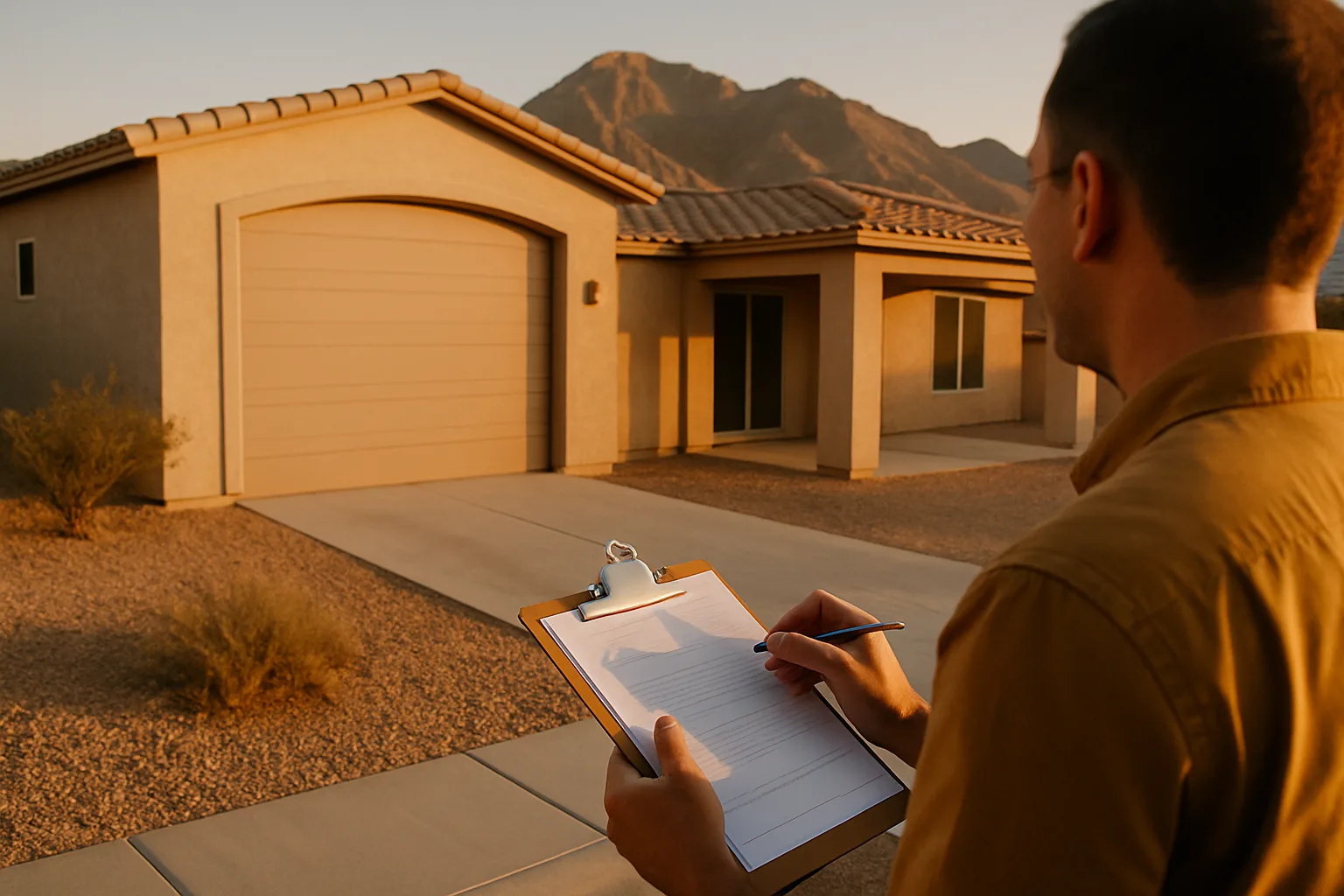
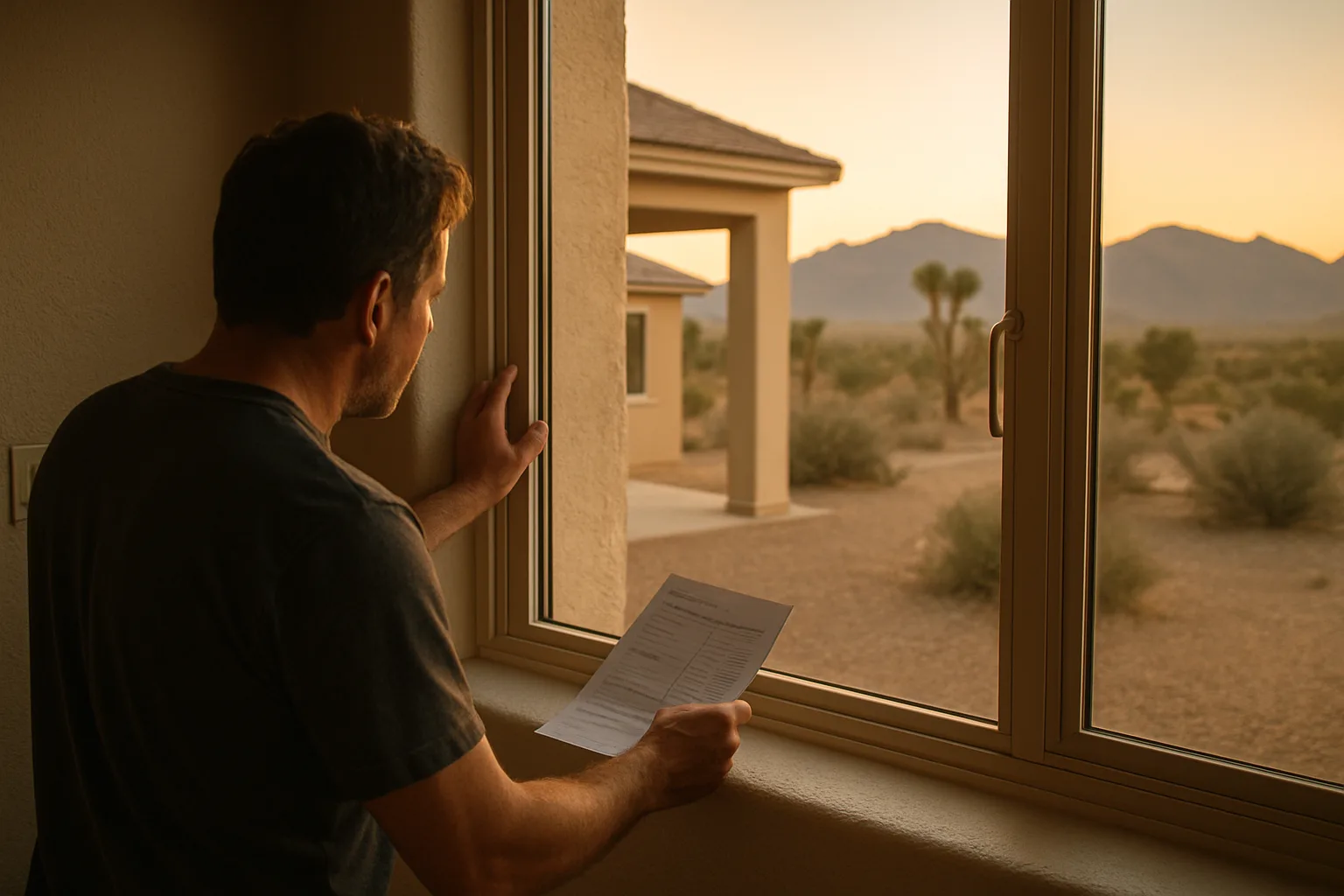
Best Windows for Hot Desert Climates: What Homeowners Should Know
In a desert climate, the wrong windows can send your cooling bills through the roof. This guide covers the SHGC ratings, frame materials, and installation details that matter most for homeowners in hot, arid regions — including what to watch out for when pulling permits.
Replacing windows in a desert climate isn't about updating your home's aesthetics; it is about thermal defense. When exterior temperatures sustain 110-plus degrees, standard builder-grade windows become massive energy liabilities that force your HVAC system into overdrive. Insight from our internal project dataset shows that desert homes upgrading from single-pane aluminum to composite dual-pane see an average 28% reduction in peak-summer cooling loads. If you are planning a window replacement, prioritizing the right glass package and frame material is the only way to ensure a true return on investment.
Prioritizing the Right Performance Metrics
Forget everything you know about U-factor. In the desert, the Solar Heat Gain Coefficient (SHGC) is your most critical metric. You want an SHGC rating of 0.25 or lower to aggressively block the sun's radiant heat. Because of this extreme UV exposure, we are seeing a massive local material trend shifting away from dark-anodized aluminum frames, which act as thermal conductors, toward fiberglass or proprietary composite frames that resist warping and chalking. While a standard vinyl window replacement might average $600 to $800 per unit nationally, desert homeowners investing in Low-E3 fiberglass units often see costs closer to $1,200 per unit — an upfront premium that quickly offsets crushing July cooling bills.
ZIP-Level Differences in Desert Window Needs
Window performance demands vary wildly even within the same region. Take the luxury custom builds in Arcadia compared to the master-planned developments in Summerlin. A ZIP-level contrast reveals that homeowners in 85253 (Paradise Valley) are overwhelmingly prioritizing architectural thermally broken aluminum to match modern aesthetics, while those retrofitting 1990s stucco-wrapped tract homes in 85032 are battling severe thermal bridging and opting for flush-fin composite retrofits. That specific housing stock observation is crucial: retrofitting stucco requires a contractor who intimately understands desert waterproofing and flashing to prevent monsoon leakages.
Feeling lost in SHGC ratings, frame materials, and installation methods? Let a local professional assess your home's exact sun exposure and provide a site-specific recommendation before you buy. Mesquite homeowners considering homes with views or new construction should pay particular attention to window specifications, as south- and west-facing glass can dramatically affect long-term energy costs in the Mojave Desert climate. For a deeper look at high-performance window and door options suited to the local market, see our guide to premium windows and doors for Mesquite, NV homeowners.
Permits and Bureaucratic Delays in Desert Municipalities
Do not underestimate the bureaucratic delays of desert municipalities. A notable building department quirk in Maricopa County, for example, involves strict egress window sizing for historic adobe renovations, which frequently triggers mandatory header reframing. Failing to pull the right permits for these structural changes can derail your project timeline by weeks. Ensure your contractor handles the permitting process natively so you aren't left with an open wall during monsoon season. If you are relocating to Mesquite, NV, understanding local building codes before you close can save significant headaches down the road. Homeowners planning broader exterior upgrades may also want to review safe excavation practices in Mesquite, NV before any structural work begins.
Why Mr. Remodel? Putting Data into Action
The insights in this article come directly from our deep experience nationwide. We believe homeowners deserve transparent, data-driven advice before making a major investment. That is the core of our process.
What MrRemodel.com Does
They connect you with real, local remodeling contractors who want your project.
You tell them what you need. They send it to licensed and insured pros in your area.
Those contractors give you real price estimates, not ads or ballpark numbers.
You choose who to talk to. There is no obligation to hire anyone.
Ready to start your project with a team that values data and transparency? Apply through MrRemodel.com today for a free, no-obligation quote.
Frequently asked questions
What SHGC rating should desert homeowners look for in replacement windows?
What is the best window frame material for extreme heat like Mesquite Nevada?
How much can new windows reduce cooling costs in a hot desert home?
How much do energy-efficient desert windows cost per unit?
Do I need a permit to replace windows on my Mesquite Nevada home?
What should I know about window replacement when buying a home in Mesquite NV?
Homes for sale in Mesquite, Nevada
Thinking about a move to Mesquite?
Browse every active listing — Sun City 55+, golf-course homes, new construction and more — updated multiple times a day. Or talk to a local agent who knows the neighborhoods.
Keep reading
More from the blog
Apartment Door Numbers for Phased Residential Projects
Home Buying Affordability: Financial Planning for Mesquite
Moving to Mesquite, Nevada: 5 Trade-Offs to Evaluate Before Buying