How to Grow a Garden: A Beginner’s Guide to Planning, Planting, Watering, and Protecting Your Outdoor Space
Growing a garden is one of the most rewarding ways to improve your outdoor space. Whether you want fresh vegetables, fragrant herbs, colorful flowers, or a peaceful backyard hobby, gardening gives you a reason to spend more time outside.
Growing a garden is one of the most rewarding ways to improve your outdoor space. Whether you want fresh vegetables, fragrant herbs, colorful flowers, or a peaceful backyard hobby, gardening gives you a reason to spend more time outside and enjoy the space around your home.
If you are wondering how to grow a garden, the process starts with planning. A successful garden is not just about putting seeds in the ground. It depends on choosing the right location, preparing healthy soil, selecting plants that match your climate, watering consistently, and protecting the area from pests, pets, and foot traffic.
The good news is that gardening does not have to be complicated. If you start small and build good habits, you can create a garden that grows stronger season after season.
What to Know Before You Grow a Garden
Before buying plants or seeds, think about what kind of garden you want. A vegetable garden, herb garden, flower bed, raised bed, and container garden all require slightly different planning.
Beginners often make the mistake of starting too big. A large garden may seem exciting at first, but it can quickly become overwhelming if you are still learning how to water, weed, prune, and manage pests. Starting with one raised bed, a few containers, or a small vegetable patch makes the process easier and more enjoyable.
You should also decide what you want to grow. Vegetables are great if you want fresh food. Herbs are useful, compact, and beginner-friendly. Flowers can add beauty and attract pollinators. A mixed garden can combine all three, but it should still be planned around sunlight, water, space, and maintenance.
It also helps to understand your growing zone and local seasons. Some plants prefer cool weather, while others need warm soil and long sunny days. Choosing plants that match your climate will make gardening much easier.
Step 1: Choose the Right Garden Location
Location is one of the biggest factors in garden success. Most vegetables and many herbs need several hours of direct sun each day. Tomatoes, peppers, cucumbers, zucchini, beans, and many flowering plants perform best in sunny areas.
Some plants can tolerate partial shade, especially leafy greens like lettuce, spinach, and kale. Certain flowers and herbs can also grow with less sun, but the garden should still receive enough light for healthy growth.
Water access matters too. Place the garden near a hose, irrigation line, or water source if possible. A garden that is difficult to water is more likely to be neglected, especially during hot weather.
Drainage is another important factor. Avoid low areas where water collects after rain or irrigation. Most garden plants need moisture, but they do not want soggy roots. Choose a location where water drains well and the soil does not stay overly wet.
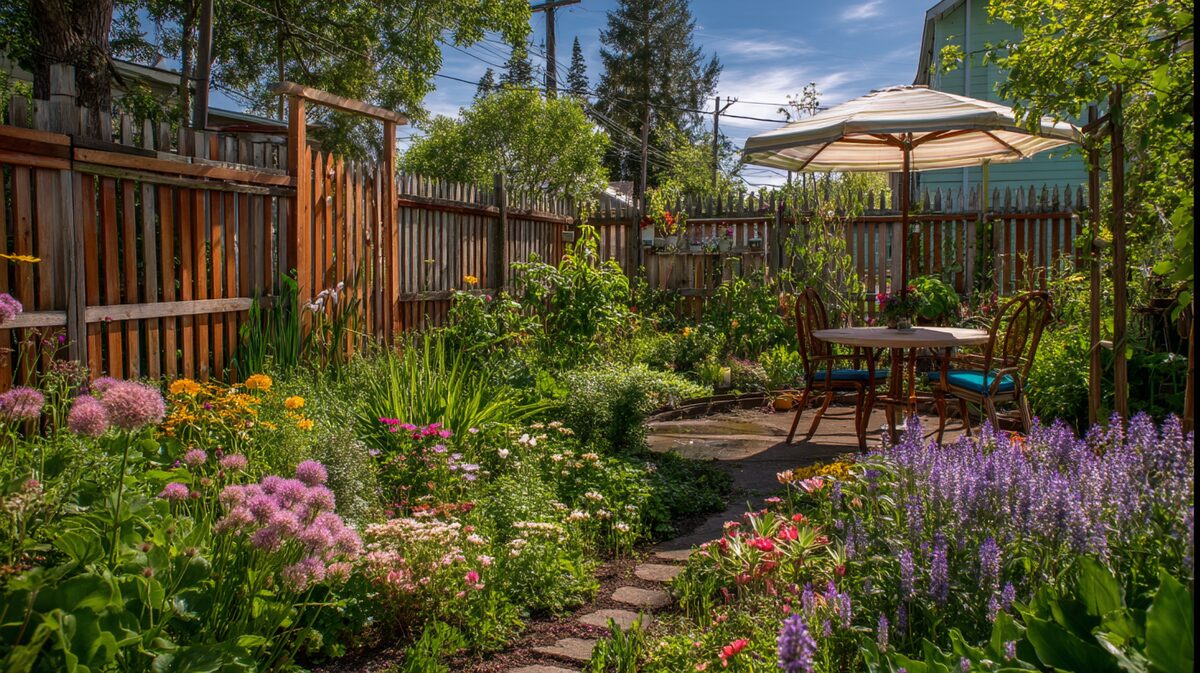
Also think about how the garden fits into the yard. It should not block walkways, gates, patios, play areas, or outdoor living spaces. For homeowners designing a backyard garden area in cities like Roseville, working with professionals like Fantastic Fence can be a helpful resource when planning boundaries that protect planting areas while keeping the yard functional and attractive.
Step 2: Prepare the Soil
Healthy soil is the foundation of a healthy garden. Even strong plants will struggle if the soil is compacted, low in nutrients, or full of weeds.
Start by clearing the area. Remove weeds, rocks, sticks, old roots, and debris. If you are planting directly in the ground, loosen the soil so roots can spread more easily.
Add compost or organic matter before planting. Compost improves soil structure, helps with drainage, adds nutrients, and supports beneficial soil life. It can also help sandy soil hold moisture and help clay soil become less compacted.
If you are unsure about your soil quality, consider a soil test. A test can show pH levels, nutrient deficiencies, and other issues that may affect plant growth. This is especially helpful if you plan to grow vegetables in the same area each year.
Raised beds and containers are also good options for beginners. They give you more control over soil quality, drainage, and layout. They are especially useful for small yards, patios, poor native soil, or gardeners who want easier access.
Step 3: Choose Beginner-Friendly Plants
The easiest garden is one filled with plants that match your experience level, climate, and space.
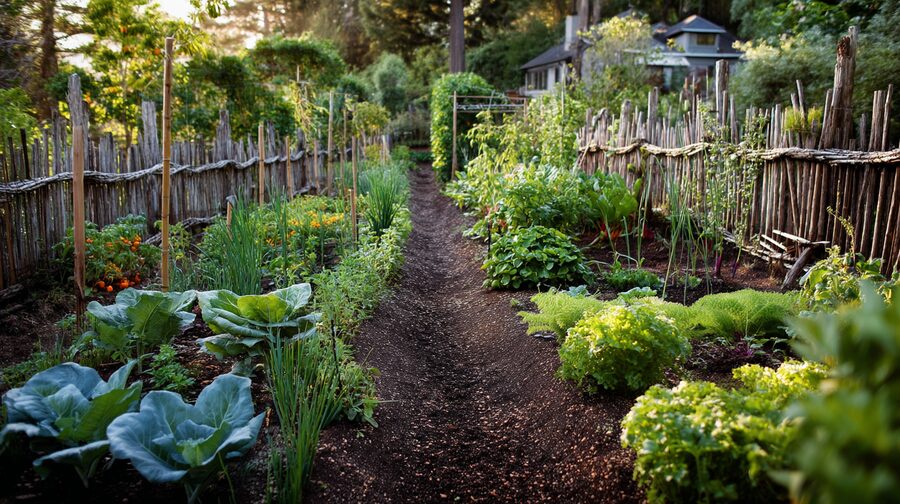
For vegetables, beginner-friendly options may include lettuce, radishes, beans, tomatoes, peppers, cucumbers, zucchini, carrots, and herbs. The best choices depend on your region and season. Lettuce and radishes often grow well in cooler weather, while tomatoes and peppers need warmth.
Herbs are a great place to start because many are easy to grow and useful in the kitchen. Basil, parsley, mint, rosemary, thyme, chives, and cilantro are common options. Mint grows aggressively, so it is often better in a container.
Flowers can make the garden more beautiful and attract pollinators. Marigolds, zinnias, sunflowers, lavender, cosmos, and nasturtiums are popular beginner-friendly flowers.
When choosing plants, group them by similar needs. Plants that need full sun should be together. Plants that need frequent watering should not be mixed with drought-tolerant plants. Matching plants by sun, water, and space requirements makes care much easier.
Step 4: Plant the Garden Correctly
Once the soil is ready and the plants are selected, it is time to plant.
Follow spacing instructions on seed packets or plant tags. Crowding plants may seem like a way to grow more, but it usually creates problems. Plants that are too close together compete for sunlight, water, and nutrients. Crowding can also reduce airflow and increase the risk of disease.
Plant seeds at the recommended depth. Some seeds need to be covered lightly, while others need deeper planting. If seeds are planted too deep, they may not sprout. If they are too shallow, they may dry out or wash away.
For seedlings or transplants, dig a hole large enough for the root ball. Place the plant at the proper depth, gently firm the soil around it, and water after planting. Watering helps settle the soil and reduces transplant stress.
Label your plants, especially if you are growing from seed. It is easy to forget what was planted where, and labels make it easier to track growth, care needs, and harvest timing.
Step 5: Water and Mulch Consistently
Consistent watering is one of the most important garden habits. Too little water can stress plants, while too much water can lead to root problems.
In most cases, deep watering is better than frequent shallow watering. Deep watering encourages roots to grow down into the soil, which helps plants become stronger and more resilient.
Before watering, check the soil. Stick your finger into the top inch or two of soil. If it feels dry, it may be time to water. If it still feels moist, wait. This simple habit can help prevent both overwatering and underwatering.
Mulch can also make a major difference. Add mulch around plants to help reduce weeds, conserve moisture, and regulate soil temperature. Organic mulch, such as straw, shredded leaves, or wood chips, can also improve the soil over time as it breaks down.
Watering needs will change with the weather. Hot, dry, or windy days may require more water. Cool or rainy weather may require less. Pay attention to the plants and the soil instead of watering on autopilot.
Step 6: Protect the Garden From Pests, Pets, and Foot Traffic
A healthy garden needs protection. Pests, pets, wildlife, and accidental foot traffic can damage plants quickly.
Watch for common pests such as aphids, slugs, snails, caterpillars, beetles, and mites. Catching problems early makes them easier to manage. Look under leaves, around stems, and near new growth where pests often appear first.
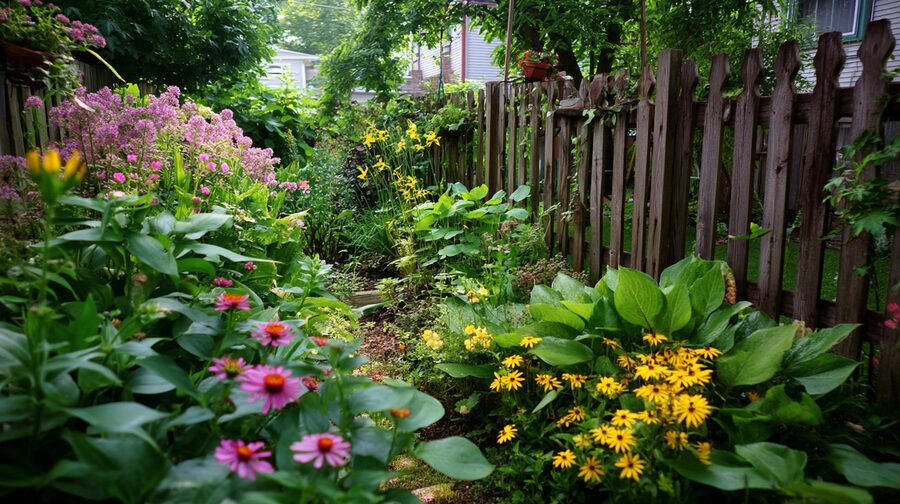
Physical barriers can help protect plants without making the garden complicated. Garden fencing, netting, row covers, cages, trellises, and plant supports can all help depending on the situation.
If pets, wildlife, or open yard access are making it difficult to protect a garden, consulting with a trusted professional like Fantastic Fence can help homeowners think through fence options that support both outdoor privacy and healthier planting areas.
Boundaries are especially useful if children or pets use the yard often. A simple garden border or fence can prevent trampling, digging, and accidental damage.
Step 7: Maintain the Garden Through the Season
A garden needs regular attention after planting. Small, consistent tasks are easier than trying to fix problems after they become serious.
Weed regularly. Weeds compete with garden plants for water, nutrients, and sunlight. Pulling weeds while they are small is much easier than removing them once they are established.
Prune and support plants when needed. Tomatoes may need stakes or cages. Cucumbers and beans may benefit from a trellis. Removing dead or diseased leaves can help improve airflow and keep plants healthier.
Fertilize only when needed. Compost may provide enough nutrition for many plants, but heavy feeders like tomatoes or peppers may benefit from additional fertilizer. Avoid overfertilizing, since too much can create weak growth or reduce production.
Harvest often. Many vegetables and herbs produce more when harvested regularly. Picking ripe produce also prevents plants from spending too much energy on overgrown fruit or seed production.
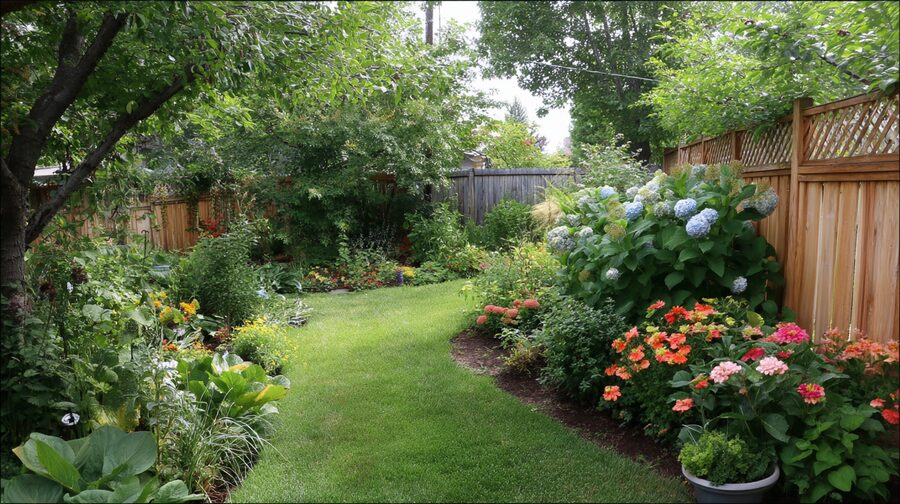
Common Gardening Mistakes Beginners Should Avoid
One of the most common mistakes is starting too big. A smaller garden that is well cared for is better than a large garden that becomes overwhelming.
Another mistake is planting in the wrong amount of sun. Plants that need full sun may grow weak and produce poorly in shade. Shade-tolerant plants may struggle in harsh heat.
Inconsistent watering is also a major issue. Overwatering can damage roots, while underwatering can stunt growth and reduce harvests. Checking soil moisture is one of the easiest ways to avoid both problems.
Poor soil quality can also hold a garden back. If the soil is compacted, depleted, or poorly drained, plants may struggle even with good watering.
Finally, do not forget protection. A garden that is open to pets, wildlife, foot traffic, and pests may have trouble thriving. A little planning can prevent a lot of damage later.
Final Thoughts: Growing a Garden Starts With a Good Plan
Learning how to grow a garden is really about creating the right environment for plants to succeed. Start small, choose a sunny and accessible location, improve the soil, select beginner-friendly plants, water consistently, and protect the garden as it grows.
You do not need a perfect yard or years of experience to begin. You just need a manageable plan and a willingness to learn through the season.
With the right setup, a garden can make your backyard more beautiful, productive, and enjoyable. Over time, every season will teach you something new, and each harvest or bloom will make the effort feel worthwhile.
Homes for sale in Mesquite, Nevada
Thinking about a move to Mesquite?
Browse every active listing — Sun City 55+, golf-course homes, new construction and more — updated multiple times a day. Or talk to a local agent who knows the neighborhoods.
Keep reading
More from the blog

I-15 Between Mesquite and Southern California: What Is Changing on the Drive

Where Mesquite's $700K+ Homes Sell: Golf, View and Custom-Home Areas in 2026
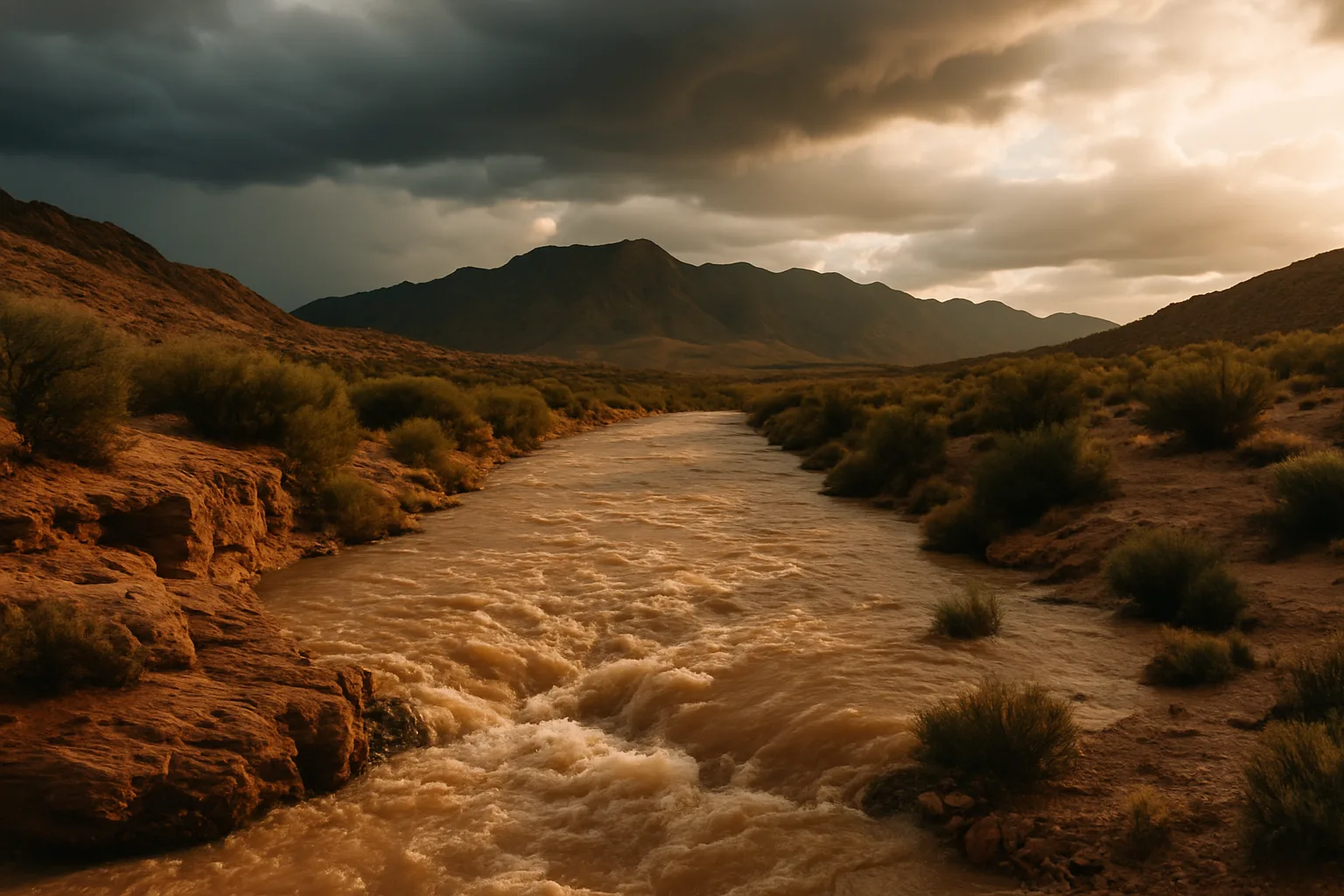
Rachel's Remnants Soak Southern Nevada: What the Storm Meant for Mesquite