How to Detect Mold Risk in a Home Before It Affects Your Purchase Decision
Mold problems rarely announce themselves during an open house — they hide behind walls, under floors, and above ceilings. Learn how to recognize moisture warning signs, use the right inspection questions, and protect your purchase decision before you sign.
Buying a home is one of the biggest financial decisions you'll ever make. You probably check the neighborhood, compare property values, and imagine how you'll use each room. But how much attention do you give to what's hidden behind the walls? Could a home that looks spotless today have a moisture problem waiting to surface?
Mold is one of the easiest issues to miss during a property viewing because it often develops out of sight. By the time visible patches or strong odors appear, the underlying damage may already be extensive. Learning how to recognize the conditions that allow mold to grow can help you avoid unexpected repair costs and make a more confident purchase decision.
Why Mold Is More Common Than Many Buyers Realize
Mold doesn't need a major flood to develop. A slow plumbing leak, poor ventilation, roof damage, or even consistently high indoor humidity can create the right conditions for growth. Since mold often develops inside walls, beneath flooring, or above ceilings, buyers may never see it during a standard walkthrough.
The U.S. Environmental Protection Agency explains that mold can begin growing within 24 to 48 hours after materials become wet if the moisture isn't removed. That is why identifying moisture problems is often more important than looking for visible mold itself.
Rather than assuming a home is mold-free because it looks clean, it's worth paying attention to signs that suggest moisture has been present for a longer period. If you're moving to Mesquite, Nevada from a more humid climate, you may be surprised to learn that even desert homes can harbor hidden moisture issues.
Look Beyond Fresh Cosmetic Improvements
A freshly painted room or recently updated flooring isn't necessarily a warning sign. Many homeowners renovate before listing their property. However, buyers should pay attention when cosmetic work appears limited to one particular area without a clear explanation.
For example, a newly painted ceiling beneath an older roof or brand-new drywall on one basement wall may indicate that repairs were made after a leak. That doesn't automatically mean there's still a problem, but it does make sense to ask what caused the repair and whether the source of the moisture was permanently fixed.
A good seller should be able to explain previous repairs and provide documentation if significant water damage was addressed. Our guide on the best rooms to update before listing shows what legitimate pre-sale improvements typically look like — a useful reference when evaluating a seller's disclosures.
Watch for Small Clues That Point to Moisture Problems
Many mold issues reveal themselves through subtle warning signs before visible mold appears. During your walkthrough, slow down and pay attention to details that are easy to overlook.
Look for signs such as:
A musty or damp smell in certain rooms
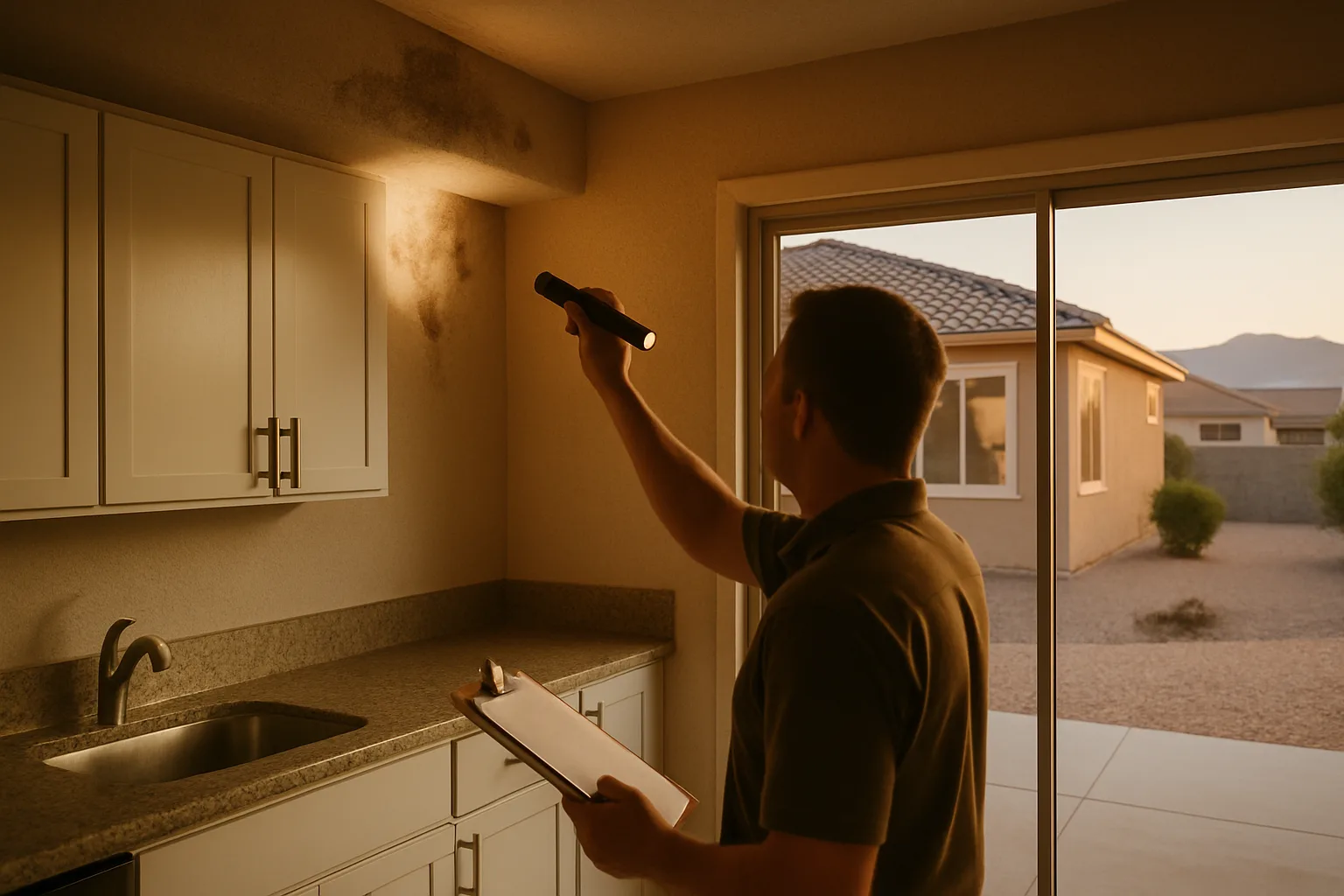
Water stains on ceilings or walls
Peeling paint or bubbling wallpaper
Soft or warped flooring
Condensation on windows
Rust around plumbing fixtures
Discoloration near baseboards or window frames
One sign alone may not indicate a serious issue, but several of these together deserve further investigation before moving forward with the purchase.
Pay Close Attention to High-Risk Areas
Some parts of a home naturally experience more moisture than others. Bathrooms, kitchens, laundry rooms, basements, crawl spaces, attics, and utility rooms should all receive extra attention during an inspection.
Check beneath sinks for signs of previous leaks. Look around shower enclosures for deteriorating caulk or water damage. In basements, notice whether the air feels unusually damp or whether there are visible stains along foundation walls.
Attics are another area buyers sometimes overlook. Poor ventilation or roof leaks can allow moisture to build up over time, creating ideal conditions for mold growth without affecting the living areas immediately below.
Taking a few extra minutes to inspect these spaces can reveal problems that aren't obvious elsewhere in the home. This is especially relevant in communities like Sun City Mesquite or Falcon Ridge, where older builds may have ventilation systems that predate current best practices.
Technology Can Help Identify Hidden Risks
Not every moisture problem is visible during a home tour. Building materials can trap moisture long before mold becomes noticeable on the surface. That's why many buyers are looking beyond visual inspections and considering indoor environmental conditions as part of their decision-making process.
Industry experts such as Caleb Rowland of Sensorahome.com emphasize that evaluating indoor humidity and moisture conditions can help identify environmental factors that increase the risk of mold growth before visible damage appears. Understanding these conditions before purchasing a property provides buyers with additional confidence, particularly when considering homes with a history of leaks, flooding, or elevated humidity.
Rather than waiting until mold becomes an expensive problem, assessing the home's overall indoor environment provides another valuable layer of information and helps support a more informed buying decision.
Ask Your Home Inspector the Right Questions
A professional home inspection is one of your best opportunities to uncover hidden moisture issues. Instead of simply waiting for the final report, ask questions throughout the inspection.
Consider discussing:
Whether elevated moisture readings were found anywhere
If there are signs of previous water intrusion
Whether roof repairs or plumbing repairs appear recent
If additional mold testing would be worthwhile
Whether ventilation in bathrooms and the attic is adequate
If drainage around the property could contribute to future moisture problems
These conversations can provide valuable context that isn't always obvious from a written report alone. For a broader look at what to expect when purchasing locally, the 2026 Mesquite housing market guide covers current conditions and negotiation dynamics that affect how much leverage you have to request repairs.
Don't Forget to Inspect the Outside
Many indoor mold problems actually begin outside the home. Water that isn't directed away from the structure eventually finds its way inside.
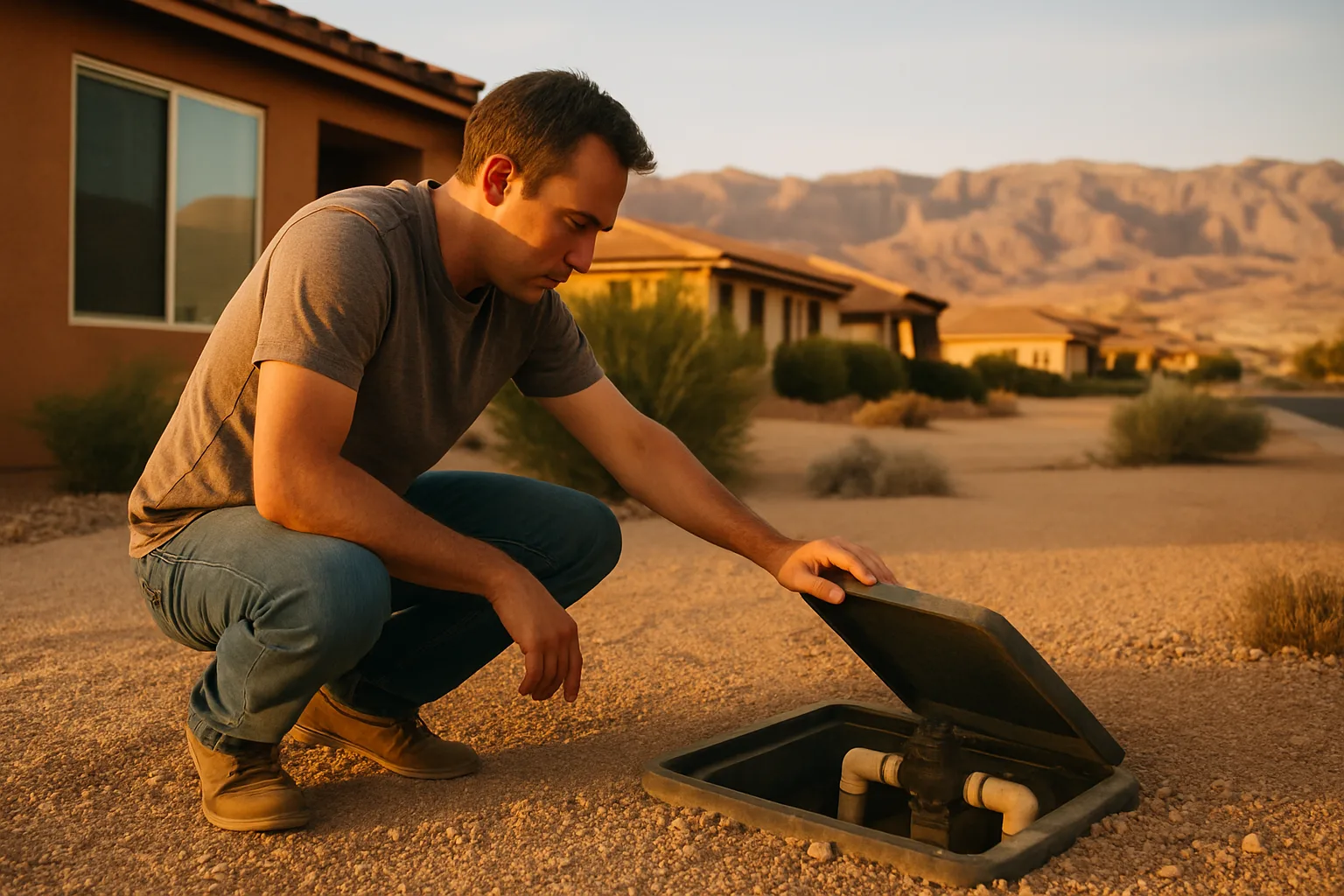
Walk around the property and look at how the home manages rainwater. Gutters should be clean and securely attached, downspouts should carry water away from the foundation, and the surrounding landscape should slope away from the building instead of toward it.
Also pay attention to the condition of the roof, exterior caulking around windows, and any cracks that may allow moisture to enter. Exterior maintenance often provides important clues about how well the property has been cared for over time.
Climate Matters More Than You Might Think
The location of a home also affects its mold risk. Properties in humid climates or areas that receive frequent rainfall naturally experience greater moisture exposure than homes in drier regions.
That doesn't mean buying in these locations is risky. It simply means moisture management becomes more important. Proper ventilation, well-maintained roofing, functioning exhaust fans, and effective drainage systems all play a significant role in preventing mold from developing.
If you're purchasing a home in a region you're unfamiliar with, ask your inspector whether the home's moisture control systems are appropriate for the local climate. Mesquite's desert environment keeps outdoor humidity low, but hidden water leaks in Nevada homes can still create localized moisture conditions that fuel mold growth indoors.
Conclusion
A beautiful home isn't always a healthy one, and mold problems rarely announce themselves during an open house. Looking beyond cosmetic finishes, paying attention to subtle moisture indicators, and asking informed questions during the inspection process can help you identify potential concerns before they become costly surprises.
Taking these extra steps doesn't mean you'll avoid every maintenance issue, but it does help you make a purchase based on a clearer understanding of the property's condition. When you know how to recognize mold risk before signing the paperwork, you're far more likely to invest in a home that provides comfort, value, and peace of mind for years to come.
Frequently asked questions
How do I know if a home in Mesquite NV has a mold problem before buying?
Is mold a common issue in homes for sale in Mesquite Nevada?
What should I ask a home inspector about mold risk when buying a house?
Can fresh paint or new flooring hide mold problems in a home for sale?
How far is Mesquite Nevada from Las Vegas and St. George Utah?
What zip code is Mesquite Nevada and what county is it in?
Homes for sale in Mesquite, Nevada
Thinking about a move to Mesquite?
Browse every active listing — Sun City 55+, golf-course homes, new construction and more — updated multiple times a day. Or talk to a local agent who knows the neighborhoods.
Keep reading
More from the blog

I-15 Between Mesquite and Southern California: What Is Changing on the Drive
Where Mesquite's $700K+ Homes Sell: Golf, View and Custom-Home Areas in 2026

Rachel's Remnants Soak Southern Nevada: What the Storm Meant for Mesquite