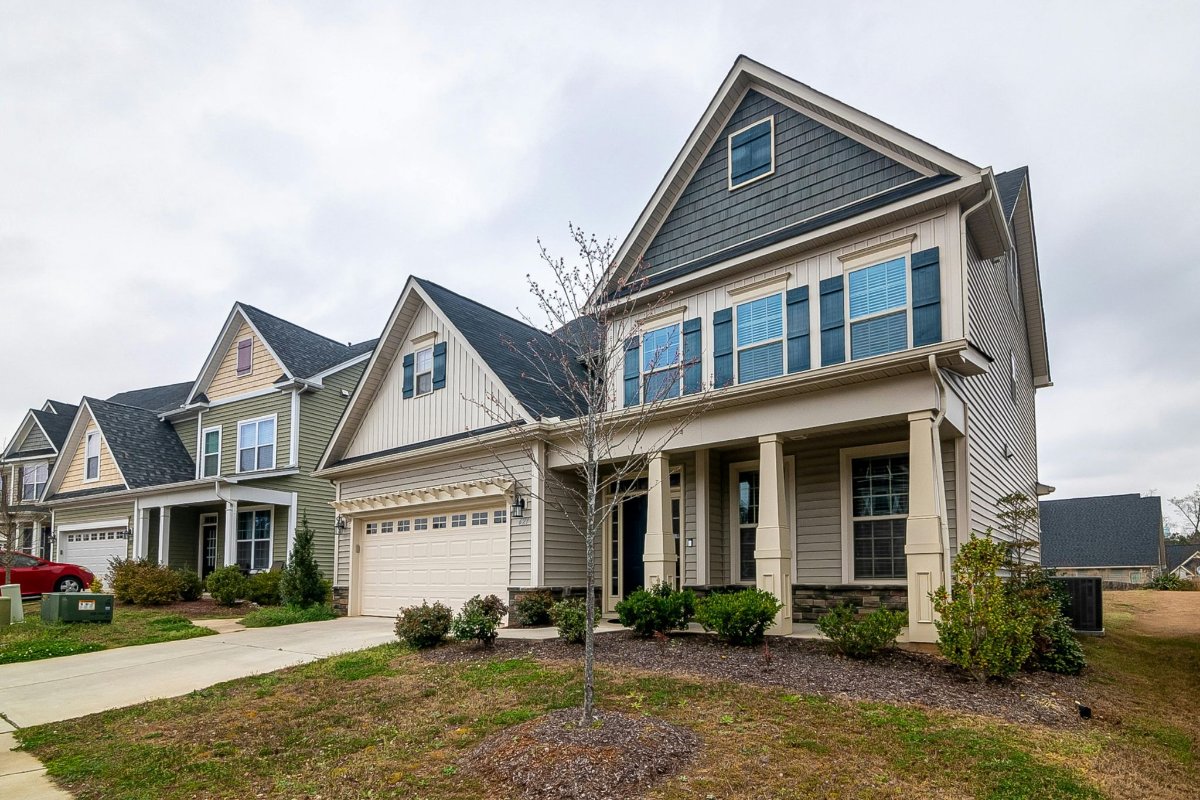
How Property Owners Maximize Income Year-Round in Nevada
Few destinations in North America offer the income opportunity that Lake Tahoe places in the hands of property owners. Straddling the California-Nevada border at over 6,200 feet of elevation, this alpine
Few destinations in North America offer the income opportunity that Lake Tahoe places in the hands of property owners. Straddling the California-Nevada border at over 6,200 feet of elevation, this alpine lake draws more than 15 million visitors every single year winter skiers hunting fresh powder, summer families chasing sandy shorelines, fall hikers wandering through golden aspen groves, and spring adventurers who have the trails nearly to themselves.
That breadth of demand is what makes lake tahoe vacation rental management such a compelling income strategy. Unlike a pure ski town that goes quiet from May through November, or a beach market that fades once summer ends, Tahoe properties have a legitimate revenue argument for every calendar month.
But capturing that income is not automatic. A beautifully located cabin that sits dark and unbooked through shoulder season is a lost opportunity. A property priced too high in peak winter scares off early bookers, while one priced too low in peak summer leaves hundreds of dollars per night on the table. The difference between a property that earns modestly and one that generates serious passive income almost always comes down to how it is managed. Professional lake tahoe property management for owners is the lever that moves revenue from average to exceptional and this guide explains exactly how that works.
The Opportunity Inside Tahoe's Year-Round Rental Market
Lake Tahoe's greatest strength as a vacation rental market is its dual-season structure. Most leisure destinations rely on a single seasonal peak and tolerate months of low demand. Tahoe's calendar works differently. The two heaviest demand windows December through March for ski season and June through August for summer lake activities operate on opposite sides of the calendar and draw largely different guest types. Families planning summer lake vacations rarely overlap with ski groups booking holiday weeks in December. That separation means a well-positioned property with professional management can sustain occupancy across both peaks without cannibalizing its own booking windows.
Recent market data puts the average annual occupancy rate for well-managed short-term rentals in the Lake Tahoe region between 60 and 75 percent, with peak season weeks frequently approaching full occupancy. Average daily rates for quality three-bedroom properties range from $400 to $800 per night during peak winter and summer months, while even shoulder weeks often maintain rates between $200 and $350. North Lake Tahoe properties have been generating average annual short-term rental revenue around $71,000, while South Lake Tahoe listings average closer to $57,000 annually. The numbers vary significantly by property type, location, amenity profile, and most importantly, how the property is managed.
Understanding Tahoe's Seasonal Demand Cycles
Smart income planning starts with understanding how Tahoe's rental calendar actually flows across the year. Each season carries its own pricing dynamics, guest profile, and occupancy pattern, and managing them well requires a different approach at each stage.
Peak Ski Season: December Through March
This is the highest-stakes window for Tahoe property owners. Demand spikes around major holiday weeks Christmas, New Year's, Martin Luther King Jr. weekend, and Presidents' Day weekend and top properties can command premium nightly rates during these stretches. Ski resorts including Palisades Tahoe, Heavenly Mountain Resort, Northstar California, and Sierra-at-Tahoe draw guests from the San Francisco Bay Area, Sacramento, and Reno who are willing to pay well for quality accommodations close to the slopes. The challenge is that non-holiday midweek periods in January and February often see softer demand, making strategic minimum stay policies and midweek pricing discounts essential tools.
Spring Shoulder Season: April and May
April and May represent a transitional period when ski resorts wind down and lake season has not yet begun. Demand drops, but it does not disappear. Outdoor enthusiasts arrive for hiking and mountain biking as trails open up. Couples and small groups seeking quieter getaways find shoulder-season pricing attractive. Property managers who aggressively discount during this window while maintaining minimum stays that make cleaning costs worthwhile can sustain meaningful occupancy even during the slowest stretch of the year.
Summer Peak: June Through August
Summer is Tahoe's second major peak and in many ways rivals winter for revenue potential. Sand Harbor Beach on the Nevada side, Kings Beach, and numerous lake access points pull families, water sports enthusiasts, and group gatherings. Events like the Lake Tahoe Shakespeare Festival at Sand Harbor, the Lake Tahoe Airshow, and various outdoor festivals add demand spikes that a well-informed manager will price around proactively. Properties with outdoor amenities decks, hot tubs, outdoor dining setups command meaningfully higher rates during summer months.
Fall Shoulder Season: September Through November
Fall is Tahoe's hidden gem for the savvy property owner. The summer crowds thin, temperatures cool pleasantly, and the Tahoe basin lights up with fall foliage that draws photographers, hikers, and couples seeking a quieter mountain escape. The SnowGlobe Music Festival in late December bridges fall and the start of ski season. Properties that market toward fall travelers with shoulder pricing and flexible minimum stays can maintain healthy occupancy through October into the early winter buildup.
The consistent thread across all four seasons is that dynamic pricing tools matter. Management companies that adjust nightly rates daily based on competitor inventory, local event calendars, occupancy pace, and booking window demand consistently outperform landlords who set static seasonal rates and leave them unchanged. Property owners who do not use dynamic pricing simply leave money on the table often significant amounts.

What Professional Management Actually Does to Your Revenue
There is a widespread misconception that vacation rental management is primarily about housekeeping and guest check-ins. While those operational elements matter, the revenue impact of professional lake tahoe vacation rental management runs much deeper. A skilled management company operates as a full-service revenue optimization partner, touching every factor that determines how much a property earns.
The most immediate impact comes through listing optimization. Properties listed across Airbnb, VRBO, and direct booking channels simultaneously reach a broader audience than any single platform provides. But the reach only matters if the listing itself converts browsers into bookers. Professional photography alone can increase booking rates substantially guests make decisions within seconds based on how a property looks in photos, and the difference between a smartphone snapshot and a professionally lit wide-angle image of a kitchen or deck view is not subtle. Compelling, keyword-optimized property descriptions written to appeal to Tahoe's specific guest demographics add another layer of visibility, particularly as OTA platforms increasingly favor listings with high engagement metrics.
Review scores drive more booking decisions than most owners realize. A property averaging 4.7 stars ranks meaningfully higher in search results than a comparable property at 4.4 stars. The difference between those scores often comes down to response time and proactive guest communication two things a professional management company handles with systems that an individual owner managing their own property from afar simply cannot replicate consistently.
Minimum stay adjustments are another underappreciated revenue lever. Setting minimum stays too high in shoulder months produces empty calendars. Setting them too low in peak periods allows short two-night bookings to block off high-value holiday weeks. An experienced manager adjusts minimum stay rules fluidly across the booking horizon, protecting premium dates while filling gaps with appropriate short stays.
Beyond revenue generation, professional management protects property value through systematic maintenance. Tahoe's alpine environment is hard on properties. Snow loads on roofs, freeze-thaw cycles on plumbing, heavy guest turnover all create maintenance demands that go unnoticed without regular professional inspections. Catching a small plumbing issue before it becomes water damage, or addressing a roof concern before a heavy snow season, saves property owners far more than the management fee costs.
Tahoe Short Term Rental Regulations Every Owner Must Know
One of the most important services a professional lake tahoe vacation rental management company provides is regulatory compliance and in the Tahoe basin, this is genuinely complex. The lake sits across state lines and multiple county jurisdictions, each with its own permitting framework, tax collection requirements, and enforcement posture. Owners who self-manage without keeping current on these regulations face real legal and financial exposure.
TRPA Environmental Oversight
The Tahoe Regional Planning Agency holds broad environmental authority over both the California and Nevada sides of the basin. TRPA regulations influence land use, vegetation management, and development standards in ways that can affect what modifications or improvements a property owner can make to a rental property. Any significant alteration to a Tahoe property should be evaluated for TRPA compliance before proceeding.
Placer County and El Dorado County (California Side)
Placer County governs the North and West Shore communities including Tahoe City, Kings Beach, Tahoe Vista, Homewood, and Olympic Valley. A cap of 3,900 short-term rental permits applies across the county's Tahoe-area communities. Once the cap is reached, a 30-night minimum rental rule activates for new bookings, with owner-occupied rentals exempt from this trigger. El Dorado County, which covers portions of the South Shore, has its own permitting process and regulations that differ from Placer County's rules.
South Lake Tahoe City Limits
The City of South Lake Tahoe has historically maintained strict vacation rental restrictions within residential neighborhoods, with existing permits in residential areas phased out in recent years. As of mid-2025, the city adopted new ordinances permitting Vacation Home Rentals citywide with specific guardrails, including anti-clustering buffers outside designated tourist areas. South Lake Tahoe vacation rental policy continues to evolve, making compliance monitoring an ongoing requirement rather than a one-time checkbox.
Washoe County and Incline Village (Nevada Side)
Properties in unincorporated Washoe County which includes most of Incline Village and Crystal Bay operate under a relatively investor-friendly regulatory framework compared to California-side jurisdictions. Washoe County does not currently impose a cap on the total number of short-term rental permits, which distinguishes it from the permit-capped environments across the state line. A Washoe County STR permit is required before advertising or renting any residential unit for periods under 28 consecutive days. Occupancy limits are set at two occupants per bedroom plus two additional guests, and properties must have one legal off-street parking space per four guests. A designated local contact who can respond to complaints within 30 minutes must be listed on the permit. Initial permit fees start at $485 with annual renewal required, and operating without a permit is classified as a misdemeanor with substantial daily fines.
Incline Village condo rentals come with an additional consideration that catches many investors off guard: the majority of condominium complexes in the area have HOA restrictions that either prohibit short-term rentals entirely or impose additional rules and fees. Buyers interested in incline village cabin rentals on single-family lots typically face fewer HOA restrictions, though confirming CC&R compliance before any purchase is essential.
Transient Occupancy Tax Obligations
Every Tahoe jurisdiction requires operators to collect and remit Transient Occupancy Tax, also called TOT, from guests. Tax rates typically range from 10 to 14 percent depending on the specific jurisdiction and are collected on top of the nightly rental rate. In Washoe County, taxes flow to the Reno-Sparks Convention and Visitors Authority, with an additional percentage directed to the Incline Village Crystal Bay Visitors Bureau. Airbnb collects and remits TOT automatically for hosts in Washoe County, but VRBO does not, leaving that filing obligation to the property operator. Quarterly or monthly filing deadlines vary by jurisdiction, and penalties for late or missed filings can be significant. Professional management companies handle all TOT collection and remittance as part of their standard service, removing this administrative burden entirely from the owner.
The overriding message for property owners is that Tahoe's regulatory landscape changes frequently. What was compliant last year may not satisfy current requirements. A local management company with active monitoring of regulatory changes in each applicable jurisdiction is not just a convenience it is genuine legal protection.

The Real Cost of Self-Managing vs. Hiring a Professional
Self-management sounds appealing on paper because it appears to eliminate the management fee. In practice, the financial calculus almost always favors professional management when all costs are counted honestly. The management fee typically between 20 and 35 percent of gross revenue for Lake Tahoe properties is visible and easy to calculate. The costs of self-management are real but less visible, which is why many owners underestimate them.
The most significant hidden cost is missed revenue from slower response times. OTA platforms including Airbnb penalize listings where inquiry response times fall outside their preferred windows. A property owner who responds to a booking inquiry eight hours later instead of within an hour loses placement in search rankings and, more directly, loses bookings to faster-responding competitors. Over a full year, even a modest improvement in booking conversion rate from professional management often exceeds the management fee in raw dollar terms.
Lower review scores compound this problem. Guests who experience a slow response to a maintenance issue during their stay, a check-in process that feels disorganized, or a property that has not been thoroughly cleaned will leave lower scores. Lower scores push a listing further down platform search results, reducing visibility. The damage compounds over time and is genuinely difficult to reverse. Professional management companies with trained local cleaning crews and standardized pre-arrival inspection processes protect review scores in ways individual owners working remotely simply cannot match consistently.
Maintenance emergencies handled poorly are another major cost. When a Tahoe property's pipes freeze in January or a hot tub stops working on a holiday weekend, the owner who self-manages faces a crisis requiring immediate local contractor access at weekend or holiday rates. A management company with established vendor relationships can mobilize faster and often at lower cost and may have already caught the warning signs during a routine inspection before they became emergencies.
Finally, regulatory non-compliance from self-managing owners who fail to keep current on permit requirements, TOT filing deadlines, or safety inspection obligations can result in fines that dwarf the management fee. Violations in South Lake Tahoe carry fines up to $5,000 for operating without the required permits. In Washoe County, operating an unpermitted short-term rental is classified as a misdemeanor with substantial per-day fines.
When all these costs are weighed honestly lost revenue from lower conversion, review score erosion, maintenance emergencies, regulatory penalties, and the value of the owner's own time professional management at 20 to 35 percent of gross revenue typically produces higher net income than self-management, not lower.
How to Evaluate If Your Property Is a Good Fit for Tahoe Rental Management
Not every Tahoe property is equally suited for short-term rental income, and being clear-eyed about your specific situation is important before committing to a management arrangement. Several factors determine a property's income potential.
Location relative to key demand drivers matters significantly. Properties within easy driving distance of ski resort bases Heavenly, Palisades Tahoe, Northstar command premium winter rates. Properties with lake access, lake views, or proximity to popular summer destinations like Sand Harbor Beach, Meeks Bay, or Kings Beach similarly command summer premiums. Incline Village properties benefit from both a relatively permissive regulatory environment and strong year-round demand from visitors drawn to the Nevada side of the lake.
Amenity profile has a measurable impact on bookability and nightly rates. Properties with hot tubs consistently outperform comparable properties without them across both winter and summer seasons. A gas fireplace adds meaningful appeal for winter guests. Pet-friendly policies allowing well-behaved dogs, for example open access to a large segment of travelers who filter specifically for pet-friendly accommodations. A well-equipped outdoor dining and entertainment area can lift summer revenue noticeably.
Property size affects both revenue ceiling and guest demographic. Three-bedroom and four-bedroom properties represent the strongest combination of demand volume and revenue per night for most Tahoe markets. Five-bedroom properties carry the highest revenue ceiling but make up a smaller share of inventory and require more careful demand planning. Studio and one-bedroom units face stiffer competition and lower revenue potential, though they can still perform well in high-demand locations.
HOA restrictions deserve careful investigation before any management arrangement is established. Many Tahoe condominium complexes particularly in Incline Village prohibit short-term rentals in their CC&Rs entirely. Even HOAs that permit rentals sometimes impose additional fees, guest restrictions, or quiet hour requirements that affect the guest experience and management complexity. Single-family homes typically face fewer HOA complications, though confirmation of specific CC&Rs is always necessary.
Finally, permit eligibility must be confirmed for the specific jurisdiction where your property sits. The permit landscape around Lake Tahoe changes regularly. Placer County's cap, Truckee's waitlist, South Lake Tahoe's evolving ordinances, and Washoe County's annual renewal requirements all mean that a property's permit status today may not reflect what is available tomorrow. Working with a management company that actively monitors permit availability and handles the application process is the most reliable way to navigate this.
Making the Most of Your Tahoe Investment
Lake Tahoe is one of the most compelling short-term rental markets in North America, and for good reason. The combination of year-round demand driven by two distinct seasonal peaks, a guest profile that skews toward high-income travelers willing to pay for quality, and a natural environment that people return to year after year creates a rental income opportunity that few other markets can rival.
Realizing that opportunity fully, however, is not a passive endeavor. It requires active listing management across multiple booking platforms, dynamic pricing that responds to real-time demand signals, consistent five-star guest experiences that protect review scores, rigorous compliance with a patchwork of evolving local regulations, and systematic property maintenance suited to Tahoe's demanding alpine environment. These are not tasks that can be handled effectively from a distance or squeezed into evenings and weekends around a full-time job.
Professional lake tahoe vacation rental management is the infrastructure that turns a well-located property into a high-performing income asset. For property owners who want to maximize tahoe short term rental income without absorbing the time burden and operational complexity of self-management, partnering with an experienced local management company is the most direct path to that outcome.
Whether your property is a cozy incline village cabin rental, a spacious lakefront home near Meeks Bay, a condominium steps from the Heavenly gondola, or a mountain retreat in the Tahoe City hills, the fundamentals are the same: professional management, smart pricing, compliance, and quality guest experience. Get those four things right, and Tahoe's incredible demand does the rest.
If you are ready to explore what professional management could mean for your specific property, Homes for Sale in Mesquite Nevada and our affiliated Tahoe specialists are here to help you take the next step with confidence.
Frequently Asked Questions
1. How much can I realistically earn from a Lake Tahoe vacation rental each year?
Earnings depend heavily on property location, size, amenities, and quality of management. North Lake Tahoe properties managed professionally have averaged around $71,000 in annual short-term rental revenue, while South Lake Tahoe properties have averaged closer to $57,000. Premium properties in high-demand locations with strong amenity profiles particularly those with hot tubs, lake views, or ski resort proximity can exceed these averages substantially. Underperforming properties that are self-managed or poorly positioned on booking platforms often earn significantly less than their market potential.
2. What is the typical management fee for Lake Tahoe vacation rental management?
Management fees in the Lake Tahoe market typically range from 20 to 35 percent of gross rental revenue. The exact percentage depends on the scope of services provided, the company's local market presence, and the specific terms of the management agreement. Higher-fee companies often include more comprehensive services such as professional photography, dynamic pricing tools, direct booking channel management, regular property inspections, and full regulatory compliance support. Evaluating the total value of services rather than comparing fee percentages alone gives a more accurate picture of cost versus return.
3. Do I need a permit to rent my Tahoe property on Airbnb or VRBO?
Yes, permits are required across all major Lake Tahoe jurisdictions before listing a property for short-term rental on any platform. Washoe County requires a permit before advertising incline village condo rentals or single-family homes for periods under 28 days. Placer County requires permits for North and West Shore properties up to its 3,900-permit cap. El Dorado County and the City of South Lake Tahoe have separate permitting processes. Operating without the required permit is treated as a violation in every jurisdiction and can result in fines ranging from hundreds to thousands of dollars per day.
4. What is the Transient Occupancy Tax and how does it work for Tahoe vacation rentals?
Transient Occupancy Tax, commonly called TOT, is a lodging tax collected from vacation rental guests on top of the nightly rental rate. Rates in the Lake Tahoe region typically range from 10 to 14 percent depending on the specific county or municipality. Operators are responsible for collecting TOT from guests and remitting it to the appropriate local authority on a monthly or quarterly basis. Airbnb collects and remits TOT automatically for hosts in Washoe County, but VRBO does not handle this remittance for Nevada hosts. Missing or late TOT filings can result in penalties. Professional management companies handle TOT collection and filing as part of standard service.
5. How does dynamic pricing work and why does it matter?
Dynamic pricing refers to adjusting nightly rental rates continuously based on real-time demand signals including competitor availability, local event calendars, booking pace, and seasonal patterns. Rather than setting fixed seasonal prices, a dynamic pricing system may adjust rates daily or even multiple times per day. For Lake Tahoe properties, this means capturing premium rates around events like the Lake Tahoe Airshow or SnowGlobe festival, competing effectively during soft midweek periods with appropriate discounts, and holding firm on peak holiday week pricing when demand justifies it. Property owners who use dynamic pricing consistently outperform those using static seasonal rates.
6. Are vacation rentals allowed in Incline Village?
Yes, short-term vacation rentals are permitted in Incline Village for properties located in unincorporated Washoe County, which covers most of the area. Unlike many communities on the California side of Lake Tahoe, Washoe County currently has no cap on the total number of short-term rental permits issued. A Washoe County STR permit is required before listing, with annual renewal and an initial permit fee starting at $485. The important caveat for incline village condo rentals specifically is that many condominium complexes in the area have HOA rules that prohibit or restrict short-term rentals regardless of county regulations. Always verify the HOA's CC&Rs before purchasing a property with rental income in mind.
7. What amenities increase a Lake Tahoe vacation rental's income potential?
Hot tubs consistently rank as one of the highest-impact amenities for both winter and summer rental income in the Lake Tahoe market. Gas fireplaces add meaningful appeal for winter guests and can justify higher nightly rates during ski season. Pet-friendly policies open the property to a large segment of travelers who specifically filter for pet-friendly accommodations. Outdoor entertaining areas with dining, gas grills, and fire pits lift summer appeal significantly. Reliable high-speed internet has become a baseline expectation for virtually all guests. Ski storage, boot dryers, and covered parking are particularly valued by winter guests staying near the mountain.
8. What regulations apply to vacation rental properties on the South Lake Tahoe side?
South Lake Tahoe has one of the more complex short-term rental regulatory histories around the lake. Vacation home rental permits in residential neighborhoods were phased out in prior years under Measure T. As of 2025, the city adopted new ordinances permitting Vacation Home Rentals citywide under specific conditions, including a 150-foot anti-clustering buffer outside the Tourist Core Area Plan. South Lake Tahoe vacation rental policy continues to evolve, and what was permissible last year may not reflect current rules. El Dorado County, which governs unincorporated areas adjacent to South Lake Tahoe, has separate requirements. Working with a management company that monitors South Lake Tahoe regulatory changes actively is essential for compliance.
9. How does the TRPA affect Lake Tahoe vacation rental properties?
The Tahoe Regional Planning Agency governs environmental standards across the entire Tahoe basin on both the California and Nevada sides. TRPA authority focuses primarily on land use, vegetation management, runoff control, and development standards rather than rental operations directly. However, property modifications adding a deck, expanding a structure, altering drainage require TRPA review in addition to county permitting. TRPA regulations also shape what improvements can be made to enhance a rental property's appeal or capacity. Any planned property modifications should be evaluated for TRPA compliance before proceeding.
10. How do I choose the right Lake Tahoe vacation rental management company?
Selecting the right management partner starts with verifying their genuine local market presence a company with on-the-ground staff in the Tahoe basin handles maintenance emergencies, guest issues, and regulatory compliance far more effectively than a remote operator. Ask specifically about their dynamic pricing tools and track record of revenue performance. Request transparent reporting on occupancy rates and average daily rates for comparable properties in their portfolio. Clarify exactly which services are included in the management fee and which may be billed separately. Check reviews from current property owners, not just guests. Finally, confirm that the company actively monitors changing permit and tax requirements across the specific Tahoe jurisdiction where your property is located.
Homes for sale in Mesquite, Nevada
Thinking about a move to Mesquite?
Browse every active listing — Sun City 55+, golf-course homes, new construction and more — updated multiple times a day. Or talk to a local agent who knows the neighborhoods.
Keep reading
More from the blog

I-15 Between Mesquite and Southern California: What Is Changing on the Drive

Where Mesquite's $700K+ Homes Sell: Golf, View and Custom-Home Areas in 2026

Rachel's Remnants Soak Southern Nevada: What the Storm Meant for Mesquite