How Long Does It Take to Build a Custom Home? A Realistic Timeline From Planning to Move-In
Building a custom home typically takes ten to eighteen months from planning to move-in, though timelines vary based on size, complexity, permitting, and material availability. This guide walks through every phase of the custom home building process and explains what causes delays — and how to avoid them.
Building a custom home is one of the most exciting projects many homeowners will ever undertake, but it is also one of the most complex. One of the first questions people ask before starting the process is: how long does it take to build a custom home?
The answer depends on many factors, including the size of the home, design complexity, permitting requirements, weather conditions, material availability, and how quickly decisions are made throughout the project. While some smaller custom homes may be completed within a year, larger or highly customized projects often take considerably longer.
Understanding the full process ahead of time helps homeowners plan more realistically and reduce unnecessary stress throughout construction.
Average Timelines for Building a Custom Home
Every custom home project is unique, but most timelines fall into a few general ranges.
Smaller or Simpler Custom Homes
Smaller custom homes with simpler floor plans and fewer specialty features may take approximately eight to twelve months from planning through final completion.
These projects often move more efficiently because there are fewer structural complexities, material delays, and custom design elements involved.
Mid-Size Custom Homes
Many mid-size custom homes typically require ten to eighteen months to complete.
This range usually includes:
- Architectural planning
- Permit approvals
- Site work
- Full construction
- Interior finishes
- Final inspections
The more customized the home becomes, the more coordination is required between trades, suppliers, and scheduling.
Large Luxury or Highly Customized Homes
Luxury homes or highly customized projects may extend beyond eighteen to twenty-four months depending on complexity.
Features that often increase timelines include:
- Extensive structural engineering
- Large square footage
- Custom millwork
- Specialty windows
- High-end stonework
- Complex roofing systems
- Smart home integration
- Custom pools or outdoor living areas
These projects typically require more planning and detailed coordination throughout every phase.
The Custom Home Building Process Step by Step
Building a custom home involves several major stages before move-in is possible.
Planning and Design Phase
The planning stage is often one of the most time-consuming parts of the process.
This phase usually includes:
- Selecting land
- Meeting with architects, designers, and custom home contractors
- Developing floor plans
- Reviewing budgets
- Choosing materials
- Evaluating site conditions
Some homeowners move through decisions quickly, while others spend several months refining layouts and design details.
The more decisions finalized early, the smoother construction tends to go later.
Permits and Approvals
Most custom homes require permits before construction can begin.
Depending on the location, approvals may involve:
- Building permits
- Engineering reviews
- Environmental reviews
- HOA approvals
- Utility coordination
Permit timelines vary significantly depending on city workload and project complexity.
In some areas, approvals may take only a few weeks. In others, they may take several months.
Site Preparation and Foundation Work
Once approvals are complete, site preparation begins.
This stage may include:
- Excavation
- Grading
- Tree removal
- Utility installation
- Drainage preparation
- Foundation work
Weather conditions can heavily affect this phase, especially during rainy seasons.
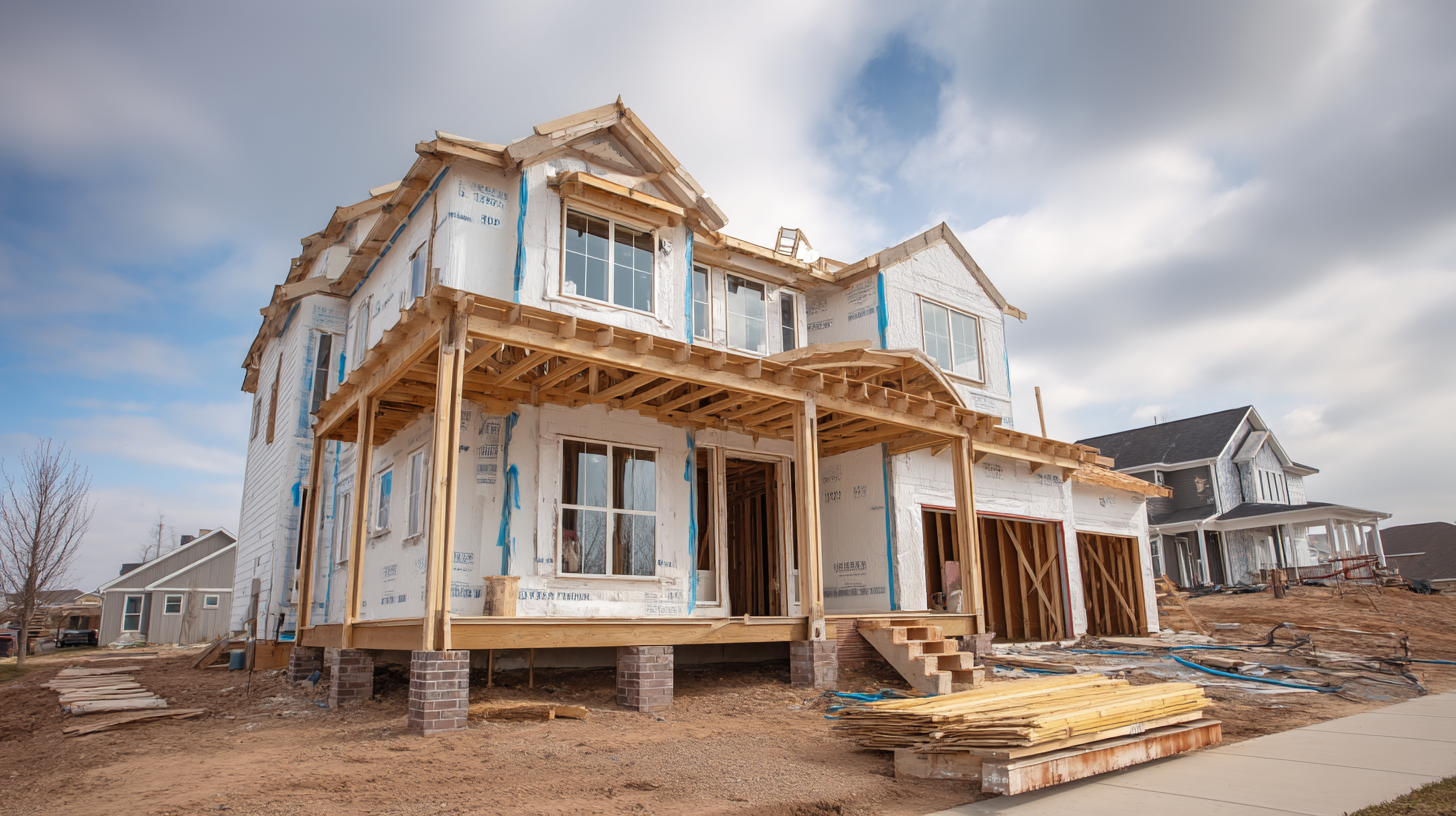
Framing and Structural Construction
Framing creates the structural shell of the home.
This stage includes:
- Exterior walls
- Roof systems
- Floor systems
- Structural beams
- Window openings
Many homeowners feel the project moves quickly during framing because visible progress happens rapidly.
However, inspections and weather can still influence the schedule significantly.
Mechanical Systems Installation
After framing, contractors install the home's major systems including:
- Plumbing
- HVAC
- Electrical wiring
- Ventilation
- Low-voltage systems
These rough-ins usually require inspections before drywall installation can begin.
To keep your budget and schedule on track, you can shop Ridge Products Welding for high-quality welding hoods and lenses to use when doing any metalwork.
Insulation, Drywall, and Interior Finishes
Once inspections are approved, the home begins transitioning into its finished appearance.
This phase often includes:
- Insulation
- Drywall installation
- Flooring
- Tile work
- Cabinetry
- Countertops
- Interior trim
- Lighting fixtures
Interior finishes usually take longer than homeowners initially expect because multiple trades must coordinate closely.
What Usually Causes Delays During Custom Home Construction?
Even well-organized projects may encounter delays throughout the process.
Permit and Inspection Delays
Inspection scheduling and city approvals are common sources of delays.
Contractors often depend on municipal timelines that are outside their direct control.
Weather Conditions
Rain, snow, extreme heat, or freezing temperatures can slow progress significantly.
Foundation work, framing, roofing, and exterior finishes are especially vulnerable to weather-related delays.
Material Backorders and Shipping Delays
Supply chain issues still affect many construction products in 2026.
Commonly delayed items include:
- Windows
- Appliances
- Cabinetry
- Specialty tile
- Plumbing fixtures
- Garage doors
Ordering materials early helps reduce scheduling disruptions later.
Mid-Project Design Changes
Changing layouts, finishes, or structural features after construction begins often extends the schedule.
Even small adjustments may affect multiple trades simultaneously.
Many homeowners work with experienced design-build firms such as Skyline Design Build to help coordinate architectural planning, permitting, construction scheduling, and material selections throughout the custom home process.
How Long Does Each Construction Phase Take?
Although timelines vary, most construction stages follow similar general ranges.
Foundation and Site Work
Site preparation and foundation work commonly take several weeks depending on soil conditions, grading requirements, weather, and engineering complexity.
Framing
Framing may take one to three months depending on:
- Home size
- Roof complexity
- Weather conditions
- Crew availability
Larger homes with complex structural features generally require more time.
Mechanical Rough-Ins
Plumbing, electrical, and HVAC installation often require several weeks, especially when inspections are involved.
Scheduling between trades becomes especially important during this phase.
Interior Finishes and Cabinetry
Interior finishing work frequently becomes one of the longest phases of the project.
Cabinet installation, flooring, tile, trim, countertops, and fixture installation all require coordination and detailed craftsmanship.
Final Painting and Punch List Work
Toward the end of construction, contractors complete final touch-ups, corrections, and inspections before move-in.
As construction nears completion, homeowners often work with professional painting companies like Cover Pro Painting for interior painting, trim finishes, and final surface preparation before move-in.
How to Keep a Custom Home Project on Schedule
While delays cannot always be avoided completely, careful planning can improve efficiency significantly.
Finalize Selections Early
Choosing finishes, fixtures, flooring, paint colors, and appliances early helps reduce delays during construction.
Waiting until materials are needed often creates scheduling problems.
Maintain Clear Communication With Contractors
Consistent communication between homeowners, designers, and contractors helps avoid misunderstandings that may affect progress.
Regular updates and organized scheduling improve coordination between trades.
Order Materials Ahead of Time
Long-lead items should be ordered well before installation phases begin.
This includes:
- Windows
- Cabinets
- Appliances
- Specialty lighting
- Tile
- Plumbing fixtures
Build Realistic Time Buffers Into the Schedule
Unexpected delays are common during construction.
Allowing flexibility in the timeline helps reduce frustration if weather, inspections, or supply issues arise.
Why Custom Homes Take Longer Than Production Homes
Custom homes typically require more time than production or tract homes for several reasons.
Personalized Design and Layouts
Production homes often use repeated floor plans and standardized systems.
Custom homes involve significantly more decision-making and planning.
Higher Level of Customization
Unique finishes, specialty materials, custom cabinetry, and architectural features increase both complexity and scheduling demands.
More Coordination Between Trades
Custom projects usually require greater collaboration between:
- Architects
- Engineers
- Builders
- Designers
- Suppliers
- Specialty contractors
More customization generally means more coordination throughout the project.
Common Mistakes Homeowners Make During the Building Process
Some delays are avoidable with better preparation.
Rushing Design Decisions
Changing major design details later often becomes more expensive and time-consuming than expected.
Finalizing plans early improves efficiency throughout construction.
Changing Finishes Mid-Construction
Late material substitutions can create delays if new products must be reordered or installed differently.
Underestimating Inspection and Approval Timelines
Inspection schedules vary depending on local demand and staffing.
Homeowners should understand that some delays are simply part of the permitting process.
Final Thoughts on How Long It Takes to Build a Custom Home
So, how long does it take to build a custom home? In most cases, homeowners should expect the full process to take approximately ten to eighteen months from planning to move-in, although simpler projects may move faster and highly customized homes may take considerably longer.
The timeline depends heavily on planning, permitting, construction complexity, material coordination, weather, inspections, and communication between everyone involved in the project.
Most importantly, homeowners should remember that quality construction takes time. A carefully planned and properly built custom home is a long-term investment, and patience during the process often leads to stronger craftsmanship, better finishes, and fewer problems after move-in.
If you are considering building in the area, you may also want to explore new construction vs resale homes in Mesquite, NV to understand how custom builds compare to available inventory. Buyers weighing their options can also browse new construction homes in Mesquite, NV to see what is currently available. For those thinking about smaller-scale builds, our guide on how to construct a tiny house covers planning, land surveying, and working with a builder.
Frequently asked questions
How long does it take to build a custom home on average?
What causes the most delays during custom home construction?
Why do custom homes take longer to build than production homes?
How can homeowners keep a custom home project on schedule?
Which phase of custom home construction takes the longest?
Homes for sale in Mesquite, Nevada
Thinking about a move to Mesquite?
Browse every active listing — Sun City 55+, golf-course homes, new construction and more — updated multiple times a day. Or talk to a local agent who knows the neighborhoods.
Keep reading
More from the blog
Apartment Door Numbers for Phased Residential Projects
Home Buying Affordability: Financial Planning for Mesquite
Moving to Mesquite, Nevada: 5 Trade-Offs to Evaluate Before Buying