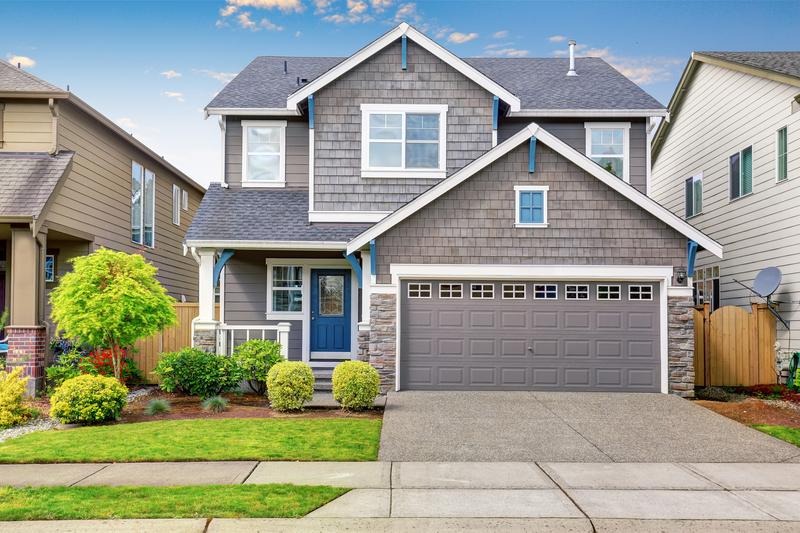
Retiring in Las Vegas: A Relocation Guide Beyond the Strip
Las Vegas offers retirees far more than the Strip — from tax-free retirement income and affordable housing to master-planned communities, outdoor recreation, and a sun-soaked lifestyle. This guide covers everything you need to know about retiring in the real Las Vegas.
When most people picture Las Vegas, they picture the Strip: the neon, the casinos, the round-the-clock energy. But ask anyone who has actually retired here, and they'll tell you that the Las Vegas they live in looks almost nothing like the postcards. Beyond the bright lights is a sprawling, sun-soaked valley of quiet master-planned communities, golf courses, hiking trails, and some of the most retiree-friendly economies in the country. For a growing number of retirees, especially those coming from higher-cost states, Las Vegas has become one of the smartest places in America to spend their later years.
Here's an honest look at what retiring in Las Vegas actually involves.
The Financial Case Is Hard to Argue With
The single biggest driver behind the retirement migration to Las Vegas is taxes. Nevada has no state income tax, which means no tax on retirement income of any kind: not your Social Security, not your pension, not your 401(k) or IRA withdrawals. For retirees coming from California, where state income tax can take a meaningful bite out of every distribution, this difference alone can be worth thousands of dollars a year.
The housing math reinforces it. Many retirees find that selling a California home and buying in Nevada allows them to downsize their expenses while actually upsizing their lifestyle, with money left over for travel, healthcare, or simply a more comfortable cushion. Las Vegas housing remains more affordable than most major coastal metros, and the lower overall cost of living stretches a fixed income considerably further than it would back home.
Where Retirees Actually Live
The Strip is for visitors. Retirees gravitate toward the valley's master-planned communities, and a few areas stand out.
Henderson is consistently ranked among the safest cities in America and is technically its own city southeast of the Strip. It's a favorite for retirees thanks to its quiet neighborhoods, excellent recreation centers, parks, and strong sense of community. Areas like Green Valley Ranch and Anthem offer upscale amenities and a settled, suburban pace.
Summerlin, on the western edge of the valley, is a large master-planned community known for its manicured parks, 200-plus miles of trails, and immediate access to Red Rock Canyon. It commands a higher price point, but for many retirees the polished, organized feel and outdoor access are worth the premium.
Boulder City and Lake Las Vegas appeal to those who want a quieter, small-town or lakeside feel with easy access to Lake Mead and the outdoors. And many of these areas feature dedicated 55-plus communities with clubhouses, golf courses, fitness centers, and active social programming built specifically for the retirement lifestyle.
The Climate: Mostly a Gift, With One Caveat
Las Vegas offers roughly 294 sunny days a year, and the mild winters are a genuine draw for retirees tired of shoveling snow or enduring damp, gray seasons. January lows hover around 37 degrees, and the valley sees essentially no snow. For year-round golf, pickleball, hiking, and outdoor socializing, the climate is hard to beat.
The caveat is summer. July highs regularly hit 104 degrees and beyond, and the heat genuinely reshapes daily routines from roughly June through September. Retirees adapt the way longtime residents do: outdoor activity shifts to early morning or evening, midday becomes indoor time, and homes are outfitted with proper window coverings and reliable air conditioning. It's a real adjustment, but a manageable one, and many find the trade more than worth it for the other nine months of near-perfect weather.
Healthcare Worth Mapping Out in Advance
For retirees, healthcare access is rightly a top priority, and it's worth doing your homework before choosing a neighborhood. Las Vegas has multiple hospital systems, a growing roster of senior-focused health providers, and an expanding number of specialists. The smart move is to map out which hospitals and clinics are closest to the neighborhoods you're considering, and to confirm that your preferred providers and Medicare plans align with what's available locally. Proximity to quality care should factor into your location decision alongside price and lifestyle.
A Lifestyle That Goes Well Beyond Gaming
One of the most pleasant surprises for new retirees is how much there is to do that has nothing to do with casinos. Beyond the Strip, Las Vegas offers low-cost or free senior programs through local recreation centers, organized day trips, and community clubs. Red Rock Canyon, Mount Charleston, and Lake Mead put genuine natural beauty within easy reach, and the abundance of sunshine encourages staying active year-round.
The cultural scene has matured well beyond its reputation, too, with strong dining, the arts, live entertainment, and a steady calendar of events. And of course, when family and friends want to visit, you'll never have trouble convincing them to come.
A Few Practical Realities
Two things catch newcomers off guard. First, much of the valley's residential housing is governed by homeowners associations, and the rules vary widely from community to community, so review them carefully before committing. Second, public transit is limited, so you'll almost certainly need a car to get around comfortably.
It's also worth knowing that Nevada requires new residents to obtain a Nevada driver's license and register their vehicles within 30 days of establishing residency, so build that into your settling-in checklist.
Making the Move Itself Smooth
Relocating for retirement often means downsizing, and that adds a layer of decisions: what to keep, what to store, and what to let go. Working with experienced moving services in and around Las Vegas that understand the valley's communities, HOA move-in requirements, and desert-climate considerations takes much of the stress out of the transition, especially if you're coordinating a long-distance move from out of state.
The bottom line is that retiring in Las Vegas, the real Las Vegas beyond the Strip, offers a rare combination of financial advantage, comfortable climate, and an active, amenity-rich lifestyle. Do your homework on neighborhoods, healthcare, and HOA rules, plan around the summer heat, and you may find that the Biggest Little City's larger cousin is exactly the place to enjoy your next chapter.
Frequently asked questions
Does Nevada tax retirement income?
Where do retirees actually live in Las Vegas?
How bad is the summer heat in Las Vegas for retirees?
What should retirees know about healthcare in Las Vegas?
What practical steps are needed when relocating to Nevada?
Homes for sale in Mesquite, Nevada
Thinking about a move to Mesquite?
Browse every active listing — Sun City 55+, golf-course homes, new construction and more — updated multiple times a day. Or talk to a local agent who knows the neighborhoods.
Keep reading
More from the blog
Mesquite vs. Las Vegas: What Second-Home and Rental Buyers Should Know

Where to Eat in Mesquite, NV: A Newcomer's Guide to the Dining Scene
Mesquite, NV Closing Costs in 2026: Who Pays What on Each Side